
Complete Your Smile: Exploring the Benefits and Procedure of Dental Implants for Lasting Tooth Replacement
Welcome to our blog post on dental implants, where we delve into the world of modern dentistry and explore how this revolutionary treatment can complete your smile for good. If you’ve been living with missing teeth or uncomfortable dentures, dental implants offer a permanent solution that not only restores your ability to eat, speak, and laugh with confidence but also enhances your overall oral health.
In this comprehensive guide, we’ll take you through the benefits of dental implants, explain the procedure in detail, discuss preparation and recovery tips, and provide long-term maintenance advice. We’ll also touch upon alternative options for tooth replacement and help you choose the right dentist for your implant procedure.
So sit back, relax, and get ready to discover how dental implants can transform your life by giving you a beautiful smile that lasts a lifetime!
The Benefits of Dental Implants
Dental implants offer a multitude of benefits that make them an excellent option for those seeking lasting tooth replacement. One of the most significant advantages is their ability to provide a natural-looking and functional smile. Unlike dentures or bridges, dental implants are designed to fuse with your jawbone, creating a strong foundation for replacement teeth.
In addition to their aesthetic appeal, dental implants also improve oral health by preventing bone loss and maintaining the integrity of your facial structure. This means you can enjoy better overall oral function, including speaking and chewing comfortably.
Another benefits of dental implants is their durability. With proper care, they can last for many years, if not a lifetime. This longevity makes them a cost-effective solution in the long run compared to other tooth replacement options that may require frequent repairs or replacements.
Moreover, dental implants do not rely on neighboring teeth for support like traditional bridges do. This means that adjacent healthy teeth are left untouched and preserved in their original state.
Furthermore, dental implants provide improved comfort compared to removable dentures as they become a part of your mouth just like natural teeth would be.
Lastly yet importantly, restoring missing teeth with dental implants can significantly boost self-confidence and improve overall quality of life by allowing individuals to smile confidently without worrying about gaps or loose dentures.
The benefits of dental implants go beyond mere aesthetics; they provide functionality and durability while promoting oral health. If you’re considering tooth replacement options, it’s worth exploring how dental implants could complete your smile successfully!
Understanding the Procedure
Dental implant surgery is a complex procedure that involves multiple steps to ensure a successful outcome. The process begins with a thorough examination and evaluation by your dentist or oral surgeon. They will assess your dental health, including the condition of your teeth and gums, as well as any underlying bone structure.
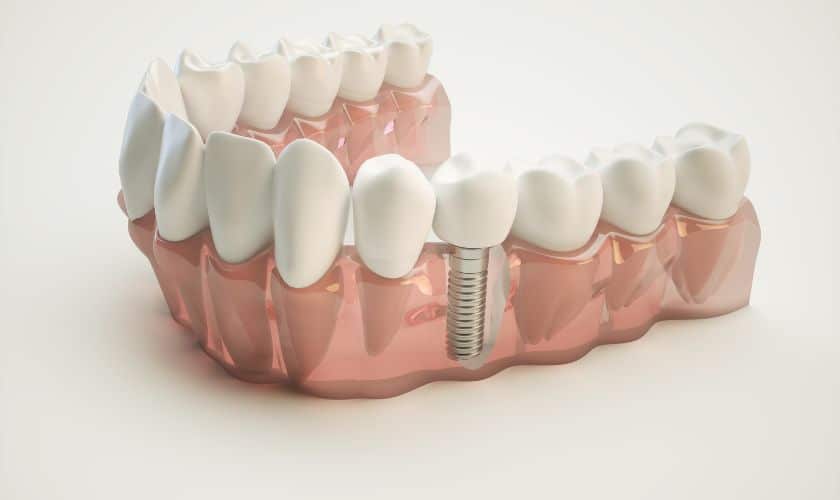
Once it has been determined that you are an ideal candidate for dental implants, the next step is the placement of the implant itself. This involves surgically inserting a titanium post into the jawbone to serve as an artificial tooth root. The placement is done under local anesthesia, ensuring minimal discomfort during the procedure.
After placing the implant, there is typically a healing period known as osseointegration. This allows time for the implant to fuse with the surrounding bone tissue, creating a strong foundation for your new tooth replacement.
Once osseointegration is complete, an abutment – a small connector piece – is attached to the implant. This serves as a base for attaching the final crown or prosthetic tooth.
The final step involves customizing and attaching your new tooth restoration onto the abutment. Your dentist will take impressions of your mouth to create a natural-looking crown or bridge that matches seamlessly with your existing teeth in terms of shape, size, and color.
It’s important to note that while every patient’s experience may vary slightly depending on individual circumstances, understanding these basic steps can give you peace of mind when considering dental implants as an option for restoring missing teeth.
By choosing this innovative treatment method, you can achieve not only functional benefits but also aesthetic advantages – resulting in improved confidence and overall quality of life!
Preparing for Dental Implant Surgery
Before undergoing implant surgery, it’s important to prepare both physically and mentally. Here are some essential steps to ensure a smooth and successful procedure.
You will have an initial consultation with your dentist or oral surgeon. During this visit, they will thoroughly examine your mouth and take X-rays to assess the condition of your jawbone and teeth. They may also discuss any pre-existing medical conditions you have that could affect the surgery.
Once you’re deemed a suitable candidate for dental implants, your dentist will create a personalized treatment plan tailored to your specific needs. This plan will include details about the number of implants required and any additional procedures needed prior to implant placement.
In some cases, bone grafting may be necessary if there is insufficient jawbone density to support the implants. This involves taking bone from another part of your body or using synthetic materials to build up the jawbone.
Leading up to the surgery, it’s crucial that you follow all pre-operative instructions provided by your dentist. This may include avoiding smoking or certain medications that can interfere with healing after surgery.
On the day of the procedure itself, make sure someone accompanies you as driving after anesthesia is not recommended. Wear comfortable clothing and avoid wearing makeup or jewelry on the day of surgery.
By carefully preparing for dental implant surgery in advance, you can increase its chances of success while minimizing potential complications.
Recovery and Aftercare
Recovery and aftercare following dental implant surgery are crucial for ensuring the success of your tooth replacement. While each individual’s healing process may vary, there are general guidelines to follow.
Immediately after the procedure, you may experience some swelling and discomfort in the treated area. Your dentist will provide pain medication and antibiotics to help manage any discomfort or prevent infection. It is important to take these medications as prescribed.
To aid in the healing process, it is recommended to rest and avoid strenuous activities for a few days. Applying ice packs can also help reduce swelling.
During the initial recovery period, stick to soft foods that require minimal chewing. Avoid hot beverages or anything that could potentially irritate or disturb the surgical site.
Maintaining good oral hygiene is essential during this time. Gently brush your teeth twice a day using a soft-bristled toothbrush and rinse with an antimicrobial mouthwash recommended by your dentist. Be sure to avoid brushing directly on the implant site until given permission by your dental professional.
Regular check-ups with your dentist are necessary for monitoring the progress of your implants. They will assess how well they have integrated into your jawbone and make any necessary adjustments along the way.
By diligently following these post-operative instructions provided by your dentist, you can ensure optimal healing and long-term success of your dental implants.
Long-Term Maintenance of Dental Implants
Once you’ve undergone the dental implant procedure and achieved a complete smile, it’s essential to maintain the long-term health and functionality of your new teeth. Proper care and maintenance will ensure that your dental implants last for many years to come.
Regular oral hygiene practices play a crucial role in keeping your dental implants clean and free from plaque buildup. Brushing twice daily with a soft-bristled toothbrush and using an antibacterial mouthwash can help remove bacteria that may accumulate around the implant area.
Flossing is equally important, as it helps remove food particles between the teeth and implants. Using floss specifically designed for dental implants or interdental brushes can effectively clean these hard-to-reach areas.
Visiting your dentist regularly for check-ups is vital in monitoring the condition of your dental implants. Your dentist will perform thorough examinations, take X-rays if necessary, and assess the overall health of your gums surrounding the implants.
In addition to maintaining good oral hygiene habits at home, avoiding harmful habits such as smoking or excessive alcohol consumption is crucial for preserving the longevity of your dental implants. These habits can compromise gum health and increase the risk of implant failure over time.
By following these guidelines for long-term maintenance, you can enjoy all the benefits that dental implants offer – a beautiful smile, improved chewing ability, enhanced speech clarity – without worrying about their durability or functionality.
Remember that each person’s situation may vary slightly when it comes to caring for their specific dental implant needs. Consulting with your dentist will provide personalized guidance tailored to ensure optimal results.
Alternative Options for Tooth Replacement
When it comes to replacing missing teeth, dental implants are often considered the gold standard. However, they may not be suitable for everyone. Luckily, there are alternative options available that can effectively restore your smile.
One popular alternative is a dental bridge. This involves placing artificial teeth between two crowns that are attached to the adjacent natural teeth. Bridges are a non-surgical option and can provide excellent aesthetic results.
Another option is removable dentures. Dentures come in both full and partial forms and can be taken out for cleaning or sleeping. While dentures may take some getting used to, they offer an affordable solution for tooth replacement.
For those seeking a more conservative approach, dental bonding or veneers may be viable alternatives. Bonding involves applying composite resin directly onto the tooth surface to fill in gaps and reshape the tooth, while veneers are thin shells placed over the front of damaged teeth.
The right option for you will depend on various factors such as your oral health, budget, and personal preferences. Consulting with a qualified dentist will help determine which alternative treatment best suits your needs.
Remember that each individual’s situation is unique and what works for one person may not work for another when it comes to tooth replacement options. Explore all possibilities with your dentist before making a decision about how to complete your smile!
Choosing the Right Dentist for Your Dental Implant Procedure
Choosing the right dentist for your dental implant procedure is crucial to ensure a successful and satisfying outcome. With so many dentists offering implant services, it can be overwhelming to make a decision. But fear not, as I have some tips to help you find the perfect dentist for your needs.
Do thorough research on potential dentists. Look for their qualifications and experience in performing dental implants. Check if they are members of professional organizations or have received any specialized training in implantology.
Next, read reviews from previous patients. This will give you insights into their satisfaction levels and overall experience with the dentist. Online forums or social media groups dedicated to dental implants can be great sources of information too.
Consider scheduling consultations with multiple dentists before making a final decision. During these appointments, ask about their treatment approach, success rates, and any possible complications that may arise during the procedure.
Inquire about the technology and materials used by each dentist. A good dentist should stay up-to-date with advancements in implant dentistry and use high-quality materials that ensure longevity.
Trust your gut feeling after meeting with each candidate. It’s essential to feel comfortable and confident in your chosen dentist’s abilities before proceeding with such an important procedure.
Remember that choosing the right dentist is key to achieving excellent results with dental implants – both aesthetically pleasing and functional replacements for missing teeth!
Achieve a Beautiful, Functional Smile with Dental Implants
If you’re looking for a lasting solution to replace missing teeth and restore your smile, dental implants are the perfect choice. With their numerous benefits and success rates, they have become the go-to option for many individuals who want to regain full functionality and confidence in their smiles.
By opting for dental implants, you can enjoy several advantages over other tooth replacement options. These include improved aesthetics, enhanced oral health, increased comfort and stability, as well as restored speech and chewing abilities. Unlike dentures or bridges that may need regular adjustments or replacements, dental implants offer a long-term solution that can last a lifetime with proper care.
The procedure of getting dental implants involves several stages that ensure optimal results. First, your dentist will assess your oral health and determine if you are an ideal candidate for the surgery. X-rays or CT scans may be taken to thoroughly evaluate the condition of your jawbone and surrounding tissues.
Preparing for dental implant surgery is crucial to ensure its success. Your dentist will provide instructions on any necessary pre-operative steps such as adjusting medications or quitting smoking. This preparation phase helps minimize complications during the procedure and promotes faster healing afterward.
During the actual implant surgery, titanium posts will be surgically placed into your jawbone to serve as artificial tooth roots. Over time (typically 3-6 months), these posts naturally fuse with your bone through a process called osseointegration – providing unparalleled strength and stability.
Recovery after dental implant surgery is relatively quick compared to other major oral surgeries. You may experience some swelling or discomfort initially but following post-operative guidelines from your dentist will help alleviate these symptoms effectively.
Long-term maintenance of dental implants is straightforward – simply practice good oral hygiene habits like brushing twice daily, flossing regularly, and scheduling routine check-ups with your dentist. Avoid biting hard objects or using excessive force while chewing which could potentially damage the prosthetic teeth attached to the implants.