
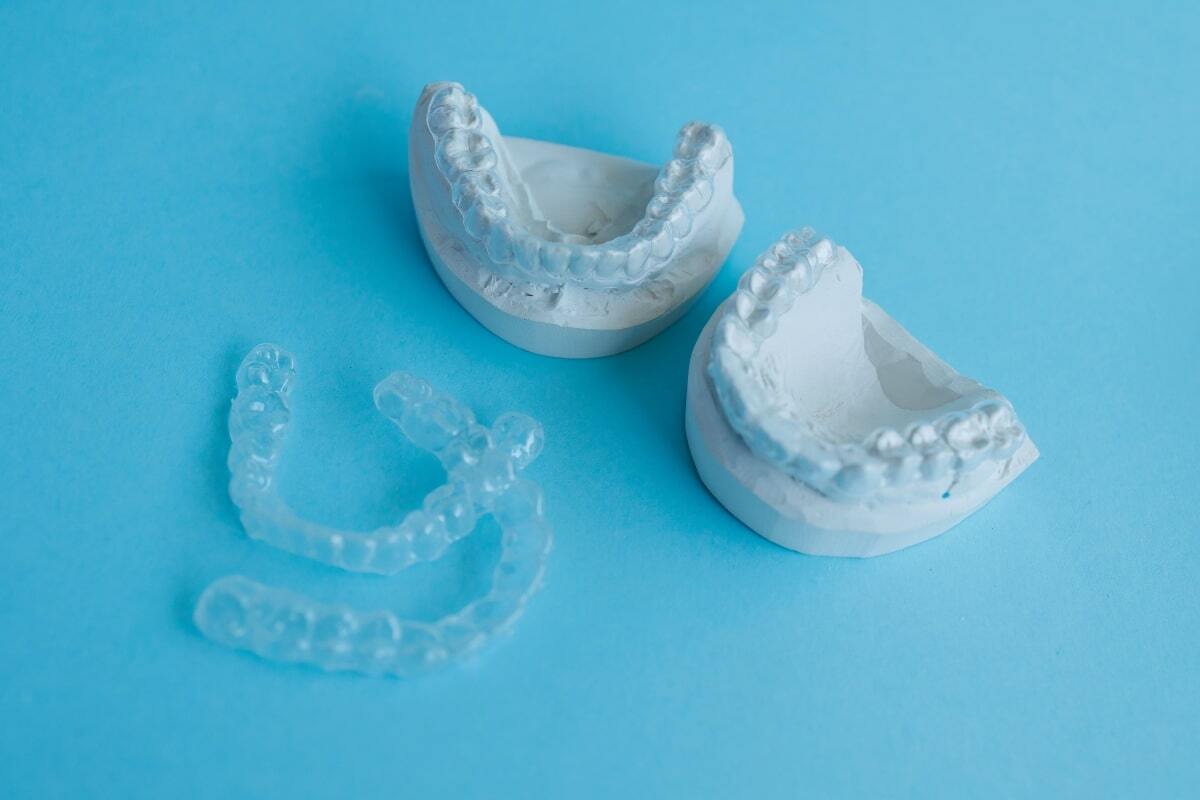
Can You Get Invisalign If You Have Dental Crowns or Fillings?
When considering a straighter, healthier smile, clear aligner therapy is often top-of-mind for adults and teenagers alike. However, many patients who have already undergone restorative dental work, such as receiving composite tooth-colored fillings or custom dental crowns, frequently ask: Can you get Invisalign if you have dental crowns or fillings? The short answer is a resounding yes. Having past restorative work in your mouth rarely disqualifies you from achieving a beautifully aligned smile.
At Brentwood Dental Group, led by Dr. Seth Wasson and Dr. Blake Cavender, our proficient team provides personalized clear aligner solutions tailored to your unique oral anatomy and existing restorative work. We carefully evaluate every patient to ensure that modern orthodontic treatments harmoniously blend with prior dental care.
How Existing Restorations Impact Clear Aligner Treatment
To understand how clear aligner therapy works alongside existing dental work, it helps to understand how aligners move teeth. Unlike traditional metal braces, which require brackets to be permanently bonded to the center of every tooth, clear aligners apply gentle, continuous pressure across the entire dental arch.
Because clear aligners fit snugly over the entire surface of your teeth, they can move teeth with past restorations just as effectively as natural, untouched teeth. However, evaluating your overall Invisalign eligibility requires taking a closer look at the exact type, location, and structural health of your prior dental work.
Moving Teeth with Fillings: What You Need to Know
Fillings are among the most common dental restorations. Whether you have subtle composite resin fillings or older silver amalgam restorations, undergoing Invisalign with fillings is almost always a smooth, straightforward process.
Structural Soundness Comes First
Before starting aligner therapy, our clinical team ensures that all existing fillings are completely intact and free of underlying decay. A healthy tooth structure serves as the solid foundation required for safe, effective tooth movement.
Attachment Placement
Sometimes, small tooth-colored buttons called composite attachments are temporarily bonded to specific teeth to help the aligners grip and apply targeted force. These attachments adhere very well to natural tooth enamel as well as standard composite filling materials. If a tooth with a filling needs an attachment, our practitioners apply specialized conditioning agents to establish a secure bond that will not compromise your existing restoration.
Navigating Invisalign Treatment with Dental Crowns
Patients with full-coverage tooth caps often wonder about the feasibility of Invisalign with dental crowns. Crowns act as protective covers over natural teeth that have suffered significant decay, cracking, or trauma. Fortunately, orthodontic treatment is completely possible even if you have one or multiple crowns.
The Mechanism of Moving Crowned Teeth
When teeth move during orthodontic care, the movement originates at the root level within the jawbone. As a crown is firmly anchored to the underlying natural root structure, applying pressure via clear aligners moves the entire tooth, root and crown included, into its correct position.
Bonding Attachments to Porcelain and Ceramic
If an alignment strategy requires an attachment on a crowned tooth, bonding requires specialized adhesives tailored specifically for porcelain, ceramic, or zirconia materials. Our clinical team utilizes advanced dental bonding techniques to ensure the attachment remains securely fastened throughout your treatment without damaging the underlying aesthetic finish of your custom crown.
Protecting the Crown’s Integrity
During your comprehensive consultation, we examine the stability and seal of every crown. A crown must be firmly cemented and structurally sound before orthodontic pressure is applied to ensure maximum safety and comfort.
Managing Complex Dental Restorations: Bridges and Implants
While fillings and individual crowns move easily with clear aligners, other types of Invisalign dental restorations require specialized planning:
- Dental Bridges: A bridge spans across multiple teeth, linking them together as a solid unit. Because clear aligners move teeth individually, moving a tooth connected to a bridge can be challenging. In some cases, our doctors may recommend segmenting the bridge temporarily or planning aligner movements around the bridged section.
- Dental Implants: Unlike natural teeth, dental implants are fused directly to the jawbone (osseointegration) and cannot move. However, implants do not prevent you from straightening your remaining natural teeth. We carefully design digital treatment plans that move adjacent teeth around the fixed implant, creating a harmonious and balanced bite.
Why Timing Matters: Restorations Before or After Aligners?
If you currently need restorative work—such as addressing a new cavity or replacing a damaged cap—a common question arises: Should restorative work be completed before or after clear aligners?
- Active Decay and Infection (Before Aligners): Any active oral health issues, such as cavities or gum disease, must be fully treated before beginning aligner therapy. Placing aligners over unhealthy teeth can exacerbate underlying problems.
- Cosmetic Restorations (After Aligners): If you plan to replace older crowns or receive aesthetic veneers, it is often best to complete orthodontic movement first. Moving your natural tooth roots into ideal alignment allows us to design final restorations that fit perfectly within your newly transformed arch.
Personalized Orthodontic Care
Every smile is distinct, especially when navigating prior restorative dentistry. At Brentwood Dental Group, located right off South Brentwood Boulevard near the heart of the community, we prioritize tailored care designed around your unique anatomy and health goals.
Using advanced 3D digital optical scanners, our practitioners capture precise, non-invasive digital models of your teeth. This cutting-edge imaging technology allows us to map out exact root trajectories, evaluate existing restorable boundaries, and preview your predicted outcome before treatment even begins.
When planning orthodontic treatment with crowns or extensive filling work, our precise digital mapping ensures that every single aligner tray applies the exact amount of force needed without causing unwanted stress on restored surfaces. If you are curious about your options and wish to explore your customized clear aligner treatment path, our local team is always ready to guide you toward a healthy, radiant smile.
Frequently Asked Questions
Will clear aligners loosen my existing dental crowns?
No. When properly planned by a trained dentist, clear aligners apply gentle, controlled pressure that moves the entire tooth root safely, without loosening or damaging secure, high-quality dental crowns.
Can composite aligner attachments damage my porcelain crown?
No. Dentists use specialized bonding agents designed specifically for dental porcelain to attach and safely remove attachments without harming or scratching the crown’s outer ceramic surface.
Do I need to replace my existing fillings before starting clear aligners?
Not necessarily. As long as your existing fillings are structurally sound, free of new decay, and fully sealed, they can remain completely untouched throughout your aligner journey.
What happens if I get a new cavity during clear aligner treatment?
If a cavity develops, your dentist will place a discreet filling crafted to preserve the original shape of your tooth, ensuring your current aligner trays continue to fit comfortably.
Can I get clear aligners if I have a fixed dental bridge?
Yes, but special planning is required. Because bridges connect multiple teeth together, aligners cannot move those teeth individually without modifying or temporarily dividing the bridge structure.
Is treatment slower if I have multiple restored teeth?
No. Restored teeth move through the surrounding jawbone at the same rate as natural teeth, provided the underlying root structures and supporting tissues remain healthy.
How do dentists bond aligner attachments to teeth with large fillings?
Dentists prepare the surface of the filling with specialized conditioning primers, ensuring composite attachments stay firmly bonded throughout treatment without compromising the filling’s overall integrity.