
Dental Implants: Five Myths and Facts You Must Know
Are you missing a tooth or two? Or perhaps struggling with ill-fitting dentures that make everyday activities like eating and speaking a challenge? If so, dental implants could be the perfect solution for you. Dental implants have revolutionized the field of restorative dentistry, offering a permanent and natural-looking replacement for missing teeth. But despite their numerous benefits, there are still many myths surrounding dental implants that may leave you feeling uncertain. In this blog post, we’ll debunk some of these common misconceptions and provide you with the facts you need to know about dental implants. So let’s dive in and discover how dental implants can transform your smile and your life!
Dental Implants: What They Are and How They Work
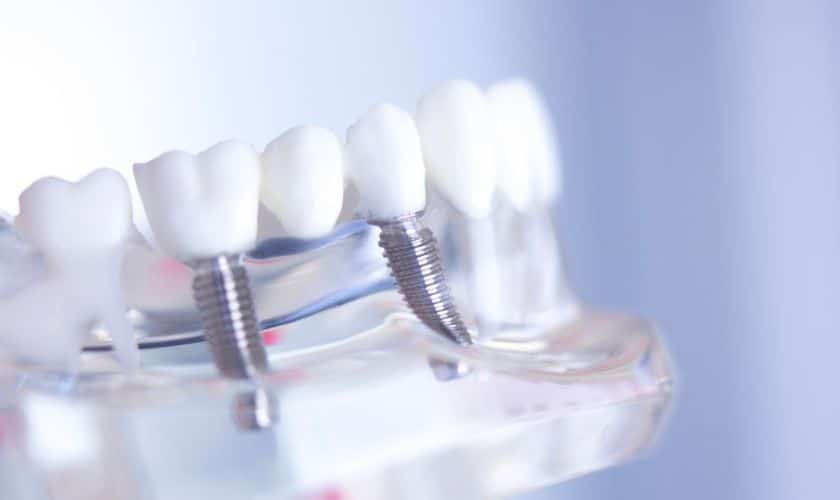
Dental implants are a modern and innovative solution for replacing missing teeth. Unlike traditional dentures or dental bridges, which sit on top of the gums, dental implants are surgically inserted into the jawbone to mimic the roots of natural teeth.
The implant itself is typically made from titanium, a biocompatible material that fuses with the jawbone through a process called osseointegration. This fusion creates a strong and stable foundation for an artificial tooth, known as a crown, to be attached.
The placement of dental implants involves several stages. Any remaining damaged or decayed teeth are removed. Then, if necessary, bone grafting may be performed to ensure there is enough healthy bone structure to support the implant.
Next comes the surgical placement of the implant into the jawbone. After this procedure, it takes some time for osseointegration to occur – usually around three to six months – during which the implant securely bonds with the surrounding bone tissue.
Once osseointegration is complete, an abutment (connector) is attached to the implant. The abutment serves as a link between the implant and crown. A custom-made crown is placed onto the abutment to provide you with a functional and aesthetically pleasing replacement tooth.
Dental implants offer numerous benefits such as improved chewing ability and speech clarity while restoring your smile’s natural appearance. They have become increasingly popular due to their long-term durability and success rates when properly cared for. So don’t let myths hold you back from considering dental implants as an effective solution for reclaiming your confident smile.
Types of Dental Implants
When it comes to replacing missing teeth, dental implants are a popular and effective solution. But did you know that there are different types of dental implants available? Each type is designed to cater to specific needs and circumstances. Let’s take a closer look at the various options:
1. Endosteal Implants: These are the most common type of dental implants used today. They involve placing titanium screws directly into the jawbone, which act as artificial tooth roots. Once the implant has fused with the bone, a crown or bridge can be attached.
2. Subperiosteal Implants: Unlike endosteal implants, subperiosteal implants sit on top of the jawbone but beneath the gum tissue. They consist of a metal frame that holds prosthetic teeth in place. This option is often chosen when there isn’t enough healthy natural bone for traditional implant placement.
3. All-on-4 Implants: This innovative technique allows for an entire arch of teeth to be supported by just four strategically placed implants per arch. It offers a quicker and more cost-effective solution for those who need full mouth restoration.
4. Zygomatic Implants: Zygomatic implants are an alternative for patients who have severe bone loss in their upper jaw and cannot undergo traditional implant surgery due to lack of adequate bone structure.
5. Mini Dental Implants (MDIs): As their name suggests, mini dental implants are smaller in size compared to standard dental implants.
These versatile little wonders can be used to stabilize dentures or replace small missing teeth where space is limited.
Remember, each patient’s situation is unique, so it’s essential to consult with your dentist or oral surgeon before deciding on which type of dental implant is right for you.
Risks Associated with Dental Implants
When considering dental implants, it’s important to be aware of the potential risks involved. While dental implant surgery is generally safe and successful, like any medical procedure, there are some risks to consider.
One possible risk is infection at the implant site. This can occur if proper oral hygiene practices are not followed after the surgery. Regular brushing, flossing, and regular dental check-ups are essential to prevent infections.
Another risk is damage to surrounding teeth or blood vessels during the placement of the implant. However, this risk can be minimized by choosing an experienced and skilled oral surgeon who will take appropriate precautions during the procedure.
Some individuals may also experience nerve damage following dental implant surgery. This can lead to numbness or tingling in the lips, tongue, or chin area. Fortunately, these symptoms are usually temporary but can persist in rare cases.
In addition, there is a small risk that the body may reject the dental implant altogether. This occurs when there is an immune response against the foreign material placed in your jawbone. However, with advancements in technology and materials used for implants today, rejection rates have significantly decreased.
It’s crucial for patients considering dental implants to consult with their dentist or oral surgeon regarding these risks before making a decision. Understanding both the benefits and potential drawbacks will help you make an informed choice about whether dental implants are right for you.
How Do Dental Implants Affect the Body
Dental implants are not only a cosmetic solution but also have a significant impact on your overall well-being. When considering dental implants, it’s natural to wonder how they affect your body.
First and foremost, dental implants provide stability and support to your jawbone. When you lose a tooth, the surrounding bone can deteriorate over time. By placing an implant into the jawbone, it stimulates bone growth and prevents further degradation.
Moreover, dental implants help maintain proper alignment of your teeth. When there is a gap caused by missing teeth, adjacent teeth may shift or become misaligned. This can lead to bite problems and difficulty chewing food properly. Dental implants fill in these gaps and ensure that your remaining teeth stay in their correct positions.
Another important aspect is speech improvement. Missing teeth can affect speech patterns, causing slurring or mumbling of words. Dental implants restore full functionality to your mouth, allowing for clear articulation and improved confidence when speaking.
Furthermore, dental implants positively impact digestion by restoring normal chewing function. Properly chewed food aids in digestion by breaking down food particles more effectively before they reach the stomach.
Additionally, dental implant placement does not require altering adjacent healthy teeth like traditional bridges do. This preserves the integrity of neighboring natural teeth while providing a stable foundation for replacement teeth.
Dental implants offer numerous benefits beyond just aesthetics; they aid in maintaining oral health while improving daily functioning such as eating and speaking with ease.
Dental Implants: Choosing the Right Implant And Surgeon
When it comes to getting dental implants, choosing the right implant and surgeon is crucial for a successful outcome. With so many options available, it can be overwhelming to make the right decision. Here are some important factors to consider when selecting your implant and surgeon.
It’s essential to choose an experienced and qualified dental professional who specializes in implant dentistry. Look for someone who has a proven track record of success with dental implants and has undergone extensive training in this field.
Next, consider the type of implant that best suits your needs. There are different types of dental implants available, including single-tooth implants, multiple-tooth implants, and full-arch implants. Your dentist will assess your specific situation and recommend the most appropriate option for you.
Another important aspect is to ensure that the materials used for the implant are of high quality. Dental implants should be made from biocompatible materials such as titanium or zirconia that integrate well with your jawbone.
Additionally, take into account any additional treatments or procedures that may be required alongside your dental implant placement. This could include bone grafting or sinus lifts if there is insufficient bone density in the jaw.
Don’t hesitate to seek second opinions from different professionals before making a final decision. This can provide valuable insight into various treatment approaches and help you feel confident in your choice.
Remember, choosing the right implant and surgeon is vital for achieving long-lasting results with your dental implants. Take time to research and consult with trusted professionals to ensure you receive optimal care throughout the process
How to Care for Dental Implants
Caring for your dental implants is crucial to ensure their longevity and maintain a healthy smile. Here are some essential tips on how to care for dental implants:
1. Practice good oral hygiene: Brush your teeth twice a day with a soft-bristle toothbrush and fluoride toothpaste. Floss daily to remove plaque buildup around the implant area.
2. Use an antibacterial mouthwash: Rinse with an antimicrobial mouthwash recommended by your dentist to reduce the risk of infection around the implant site.
3. Attend regular check-ups: Schedule routine dental visits every six months or as instructed by your dentist. Regular examinations will help detect any potential issues early on and ensure that your implants remain in optimal condition.
4. Avoid smoking and excessive alcohol consumption: Smoking can impair healing, increase the risk of implant failure, and compromise overall oral health. Similarly, excessive alcohol consumption can lead to gum disease and poor healing after implant surgery.
5. Be cautious with hard foods: Avoid biting down on hard objects like ice cubes or using your teeth as tools (e.g., opening packages). Excessive force may damage or loosen the implants.
6. Wear a nightguard if you grind your teeth: If you have bruxism (teeth grinding), wearing a custom-made nightguard can protect both natural teeth and dental implants from undue stress while you sleep.
7. Stay hydrated and eat a balanced diet: Proper hydration promotes overall oral health, while consuming nutrient-rich foods supports optimal healing after dental implant placement.
Remember, caring for your dental implants is not only about maintaining their appearance but also preserving their functionality over time. By following these guidelines provided by your dentist, you can enjoy long-lasting benefits from this remarkable treatment option!
So there you have it – debunking common myths surrounding dental implants! Now that you’re armed with accurate information about what they are, how they work, associated risks, choosing the right surgeon, and proper care techniques, you can make an informed decision about whether dental implants are the right choice for