
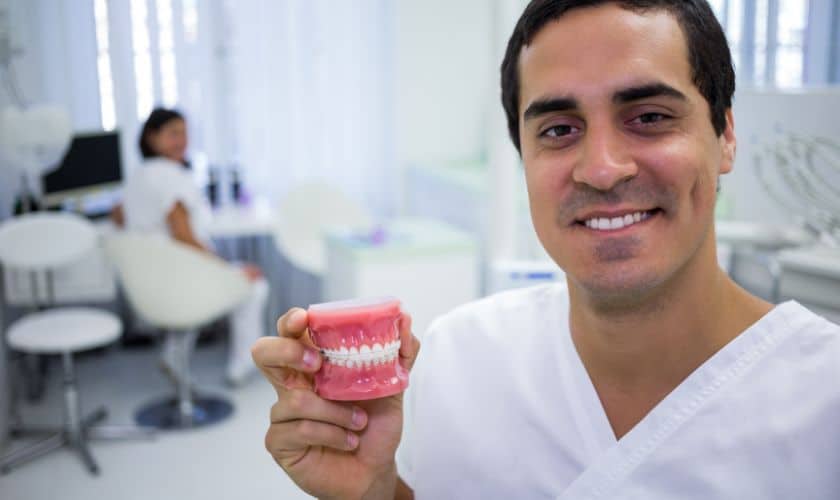
Dental Implants: Solutions For Long Lasting Oral Health
Are you tired of hiding your smile or feeling self-conscious about missing teeth? Dental implants may be the solution to your oral health concerns. Not only do they help restore the appearance of a full set of teeth, but they also provide long-lasting benefits for your overall well-being. In this article, we’ll explore what dental implants are, their benefits, the different types available and how to properly care for them. Say goodbye to discomfort and hello to a confident smile with dental implants!
What are dental implants?
Dental implants are artificial tooth roots that provide a permanent base for replacing missing teeth. They are made of titanium and can be used to replace one or more teeth, providing a natural-looking and long-lasting solution.
The implant is surgically placed into the jawbone where it fuses with the bone over time, creating a stable base for your new tooth. The process usually takes several months as the bone heals around the implant.
Once the implant has fused with the jawbone, an abutment is attached to it which serves as a connector between your replacement tooth and implant. A custom-made crown is placed on top of the abutment giving you back your beautiful smile.
The benefits of Dental Implants
Dental implants are a great solution for those who have lost teeth due to trauma, disease or decay. One of the biggest benefits of dental implants is that they look and feel just like natural teeth. This means you can eat and speak with confidence, without worrying about your dentures slipping or clicking.
Another benefit of dental implants is that they help to prevent bone loss in the jaw. When a tooth is missing, the bone in that area begins to deteriorate over time. This not only affects the appearance of your smile but can also lead to further tooth loss if left untreated. Dental implants replace both the root and crown of a missing tooth which helps stimulate bone growth and preserve jawbone density.
Dental implants also offer long-term durability compared to traditional options such as bridges or dentures. With proper care, dental implants can last for many years giving you a confident smile without additional maintenance costs.
There are numerous benefits of choosing dental implant treatment including improved oral health function and aesthetics in comparison with traditional alternatives which may lead you to experience discomfort whilst eating or speaking publicly at social gatherings!
The types of dental implants
Dental implants come in different types, each designed for specific needs and situations. The most common type is endosteal implants, which are surgically implanted into the jawbone. These may be shaped like screws, cylinders, or plates and provide a strong foundation for dental crowns or bridges.
For those who do not have enough healthy jawbones to support traditional implants, subperiosteal implants can be used. These rest on top of the bone but under the gum tissue and provide an alternative solution without extensive bone grafting surgery.
Another option is zygomatic implants that anchor to cheekbones instead of the upper jawbone. This approach is ideal for patients with significant bone loss in their upper jaws.
Mini dental implants are smaller versions of traditional ones and require less invasive surgical procedures. They can be used to stabilize dentures or replace a single missing tooth.
How to Care for your dental implants
Caring for your dental implants is crucial to ensure their longevity and keep them looking good as new. Here are some simple yet effective tips on how to care for your dental implants:
- Maintain Good Oral Hygiene: Brushing twice a day, flossing daily, and using mouthwash can help prevent plaque buildup around the implant area.
- Use Soft-Bristled Toothbrushes: Using soft-bristled toothbrushes will protect the implant from any damage that could be caused by harder bristles.
- Avoid Hard Foods: Chewing on hard foods like ice or candy can cause damage to the crown or abutment of your implant, so it’s best to avoid such foods altogether.
- Regular Dental Check-Ups: Schedule regular check-ups with your dentist at least twice a year who may recommend professional cleanings around the implant area.
- Quit Smoking & Limit Alcohol Consumption: Smoking can lead to gum disease while alcohol consumption increases inflammation in oral tissues leading to potential infections around the implant site.
By following these steps diligently, you’ll not only prolong the lifespan of your implants but also maintain overall oral health ensuring an appealing smile!
Summary
Dental implants are a great solution for those looking to achieve long-lasting oral health. They offer numerous benefits such as improved speech, natural appearance, and comfort, durability, and convenience. There are different types of implants available depending on the patient’s needs, and caring for them is not complicated.
Following simple daily routines like brushing twice a day, flossing regularly, and visiting your dentist every six months for check-ups can help ensure that your dental implants remain healthy for years to come.
With proper care and maintenance of dental implants alongside professional guidance from dentists – achieving optimal oral health is now more achievable than ever.