
How Sleep Apnea Affects Relationships and What You Can Do About It
Are you and your partner constantly at odds? Feeling irritable, distant, or just plain exhausted? You might be surprised to learn that a common sleep disorder could be the culprit: sleep apnea. It’s not just about snoring; it’s a relationship wrecker in disguise. Let’s explore how sleep apnea affects your connection and, more importantly, what you can do about it.
The Silent Relationship Killer: Sleep Apnea’s Impact
Sleep apnea, characterized by repeated interruptions in breathing during sleep, affects millions of Americans. According to the American Sleep Apnea Association, an estimated 22 million Americans suffer from sleep apnea, and many cases remain undiagnosed. But the consequences go beyond just daytime fatigue.
Irritability and Mood Swings
Lack of quality sleep leads to increased irritability, mood swings, and even depression. A study published in the Journal of Clinical Sleep Medicine found a strong correlation between sleep apnea and mood disorders. This can translate to snapping at your partner, misinterpreting their actions, and creating a generally tense atmosphere.
Data from the National Sleep Foundation indicates that people with sleep disorders are more likely to report feelings of anger and frustration.
Decreased Libido and Intimacy
Sleep apnea can significantly lower testosterone levels in men, leading to decreased libido and erectile dysfunction. In women, fatigue and hormonal imbalances can also reduce sexual desire.
A study in the Journal of Sexual Medicine highlighted the link between sleep apnea and sexual dysfunction in both men and women. This can lead to feelings of rejection, resentment, and a breakdown of intimacy.
Snoring and Sleep Disruption
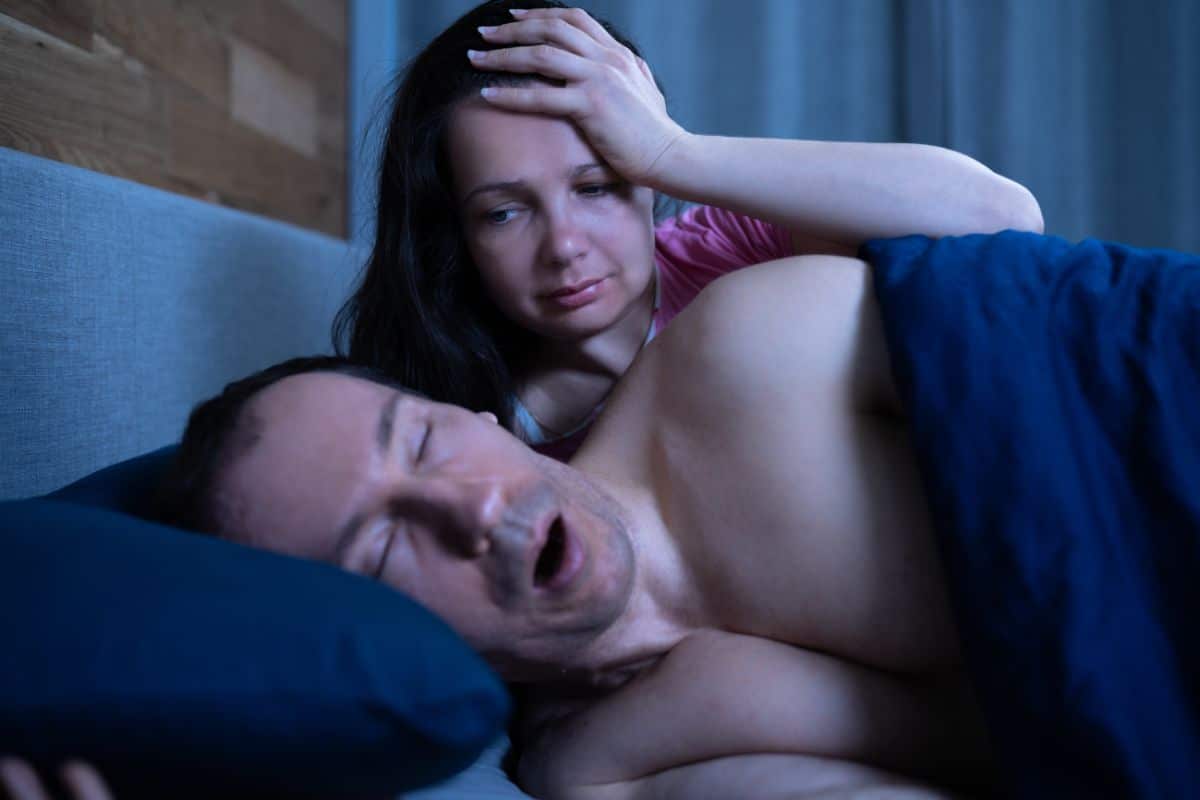
Loud, disruptive snoring is a hallmark symptom of sleep apnea. It can keep your partner awake, leading to their own sleep deprivation and resentment.
The Mayo Clinic states that chronic sleep deprivation in a partner due to snoring can lead to significant relationship strain.
Communication Breakdown
Chronic fatigue and irritability can make it difficult to communicate effectively. Small issues can escalate into major arguments, and couples may withdraw from each other.
According to a study from the University of California, Berkeley, lack of sleep diminishes the ability to regulate emotions, which negatively impacts communication.
What You Can Do: Reclaiming Your Relationship
Fortunately, sleep apnea is treatable, and addressing it can dramatically improve your relationship.
Seek Professional Help
The first step is to consult a doctor or sleep specialist. They can diagnose sleep apnea and recommend appropriate treatment options, such as continuous positive airway pressure (CPAP) therapy, oral appliances, or lifestyle changes.
The American Academy of Sleep Medicine provides resources to find certified sleep centers.
Open Communication
Talk to your qualified dentist in Brentwood about your symptoms and how they’re affecting your relationship. Be honest about your struggles, and work together to find solutions.
Couples therapy can also be beneficial in addressing the relationship strain caused by sleep apnea.
Lifestyle Changes
Maintaining a healthy weight, avoiding alcohol and tobacco, and establishing a regular sleep schedule can help alleviate sleep apnea symptoms.
The National Institutes of Health provides information on healthy lifestyle choices.
Support Each Other
Treatment for sleep apnea can be challenging, so it’s essential to support each other through the process. Celebrate small victories and be patient as you adjust to new routines.
Prioritize Sleep Hygiene
Create a relaxing bedtime routine, ensure your bedroom is dark and quiet, and avoid screen time before bed. These habits can improve sleep quality for both partners.
Conclusion
By recognizing the impact of sleep apnea on your relationship and taking proactive steps to address it, you can reclaim your connection and enjoy a healthier, happier life together. Don’t let sleep apnea steal your joy—take action today.