
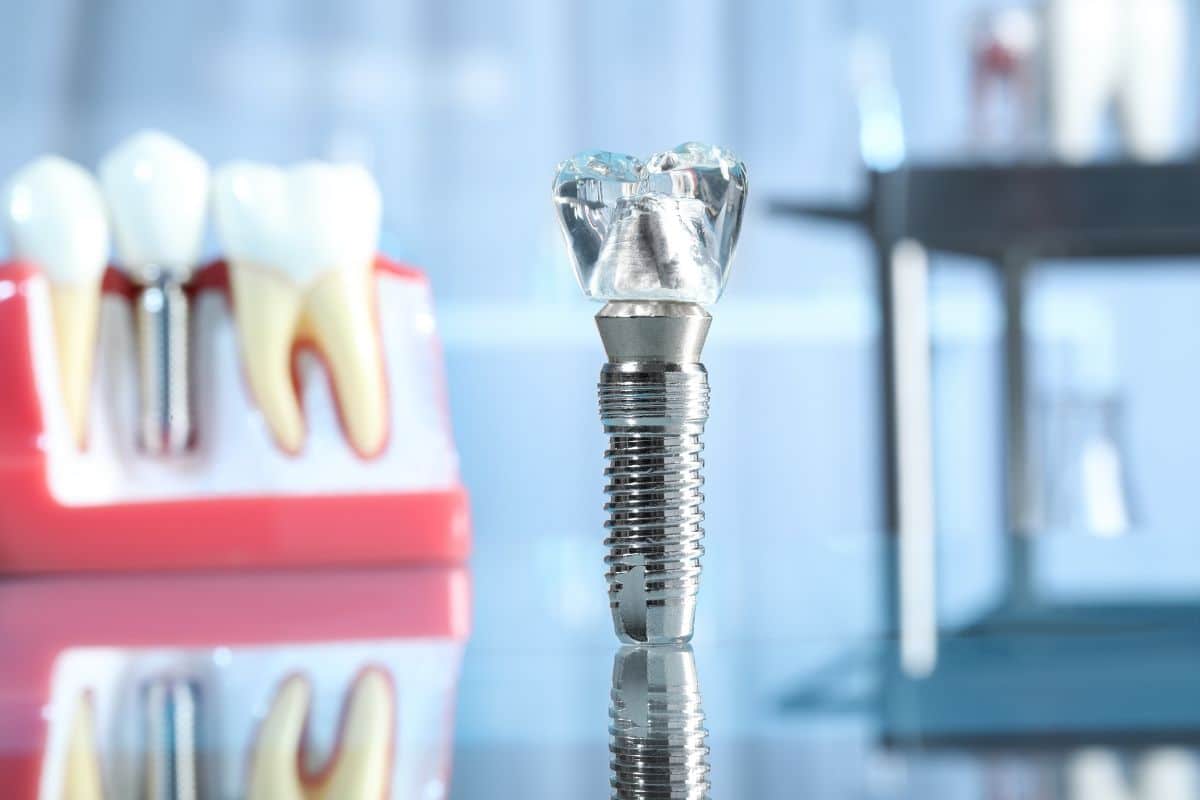
How to heal faster after dental implants?
Dental implants are a modern marvel in dentistry, offering a permanent solution to missing teeth that can restore both function and aesthetics to your smile. However, like any surgical procedure, proper post-operative care is crucial for ensuring successful healing and optimal outcomes. Here’s a comprehensive guide on how to heal faster after dental implants:
Understanding the Healing Process
Before delving into the tips for faster healing, it’s essential to understand the typical timeline and phases of healing after dental implant surgery:
- Immediate Post-Operative Phase: The first 24 to 48 hours are critical. You may experience some swelling, minor bleeding, and discomfort.
- Osseointegration Phase: Over the next several weeks to months, the implant integrates with the jawbone. During this phase, maintaining oral hygiene and following your dentist’s instructions are vital.
- Restorative Phase: Once osseointegration is complete, your dentist will place the permanent crown or restoration, completing the process.
Tips for Faster Healing
1. Follow Your Dentist’s Instructions
Immediately after surgery, your dentist will provide specific instructions tailored to your case. These may include:
- Medications: Take prescribed pain relievers and antibiotics as directed to manage discomfort and prevent infection.
- Ice Packs: Applying ice packs to the outside of your face in the first 24 hours can help reduce swelling.
- Rest: Avoid strenuous activities and get plenty of rest to aid recovery.
2. Maintain Oral Hygiene
Keeping the surgical site clean is crucial for preventing infection and promoting healing. Your dentist may recommend:
- Gentle Brushing: Use a soft-bristled toothbrush and gently clean the implant area, being careful not to disturb the surgical site.
- Antimicrobial Rinse: Use a prescribed antimicrobial mouth rinse to reduce bacteria in the mouth.
3. Watch Your Diet
What you eat can significantly impact your healing process. Consider:
- Soft Foods: Stick to a diet of soft, easy-to-chew foods in the days following surgery to avoid placing stress on the implant site.
- Avoid Straws: Drinking through a straw can create suction that may disrupt the healing process.
- Hydration: Drink plenty of water to stay hydrated, which supports overall healing.
4. Avoid Tobacco and Alcohol
Smoking and alcohol consumption can hinder healing and increase the risk of complications such as implant failure. It’s best to refrain from these substances during the healing period.
5. Attend Follow-Up Appointments
Regular follow-up appointments with your dentist are essential. These visits allow your dentist to monitor healing progress, remove sutures if needed, and make adjustments as necessary.
6. Be Mindful of Physical Activity
While rest is essential, light activities like walking can promote circulation and aid in healing. Avoid activities that could potentially jar or impact the surgical area.
7. Manage Discomfort
It’s normal to experience some discomfort after dental implant surgery. Alongside prescribed medications, consider:
- Cold Compresses: Applying ice packs to your face outside the surgical area can help reduce swelling and discomfort.
- Elevation: Keep your head elevated while resting to minimize swelling.
8. Monitor for Complications
While complications are rare, it’s crucial to be aware of signs such as excessive bleeding, severe pain, or signs of infection (e.g., swelling, redness, fever). Contact your dentist promptly if you notice any concerning symptoms.
Conclusion
Healing after dental implants requires patience, proper care, and attention to detail. By following these tips and your dentist’s guidance, you can support a faster and smoother recovery process. Remember, each person’s healing journey is unique, so don’t hesitate to reach out to your dental care provider with any questions or concerns along the way. A well-managed recovery sets the stage for enjoying the long-term benefits of a restored smile and improved oral health.