
Immediate vs. Delayed Implant Placement: Key Differences and Benefits
Losing a tooth creates a chain reaction that many people do not expect. While the visible gap is often the first concern, the real changes happen beneath the gums. The jawbone begins to shrink, neighboring teeth can gradually shift, and chewing forces become less evenly distributed across the mouth.
Because these changes occur slowly, many patients assume replacing a missing tooth can wait indefinitely. In reality, the timing of implant treatment can influence everything from bone preservation to the complexity of the final procedure.
At Brentwood Dental Group, one of the most common misconceptions Dr. Seth Wasson and Dr. Blake Cavender hear from patients is that delaying tooth replacement has no long-term consequences. Through years of treating missing teeth, they have seen how early planning can preserve bone and simplify treatment. If you have recently lost a tooth or expect to need an extraction, understanding your options now can help protect your future oral health. If you have questions about your specific situation, visit our dental office for a personalized evaluation and guidance tailored to your needs.
What Is the Difference Between Immediate and Delayed Implant Placement?
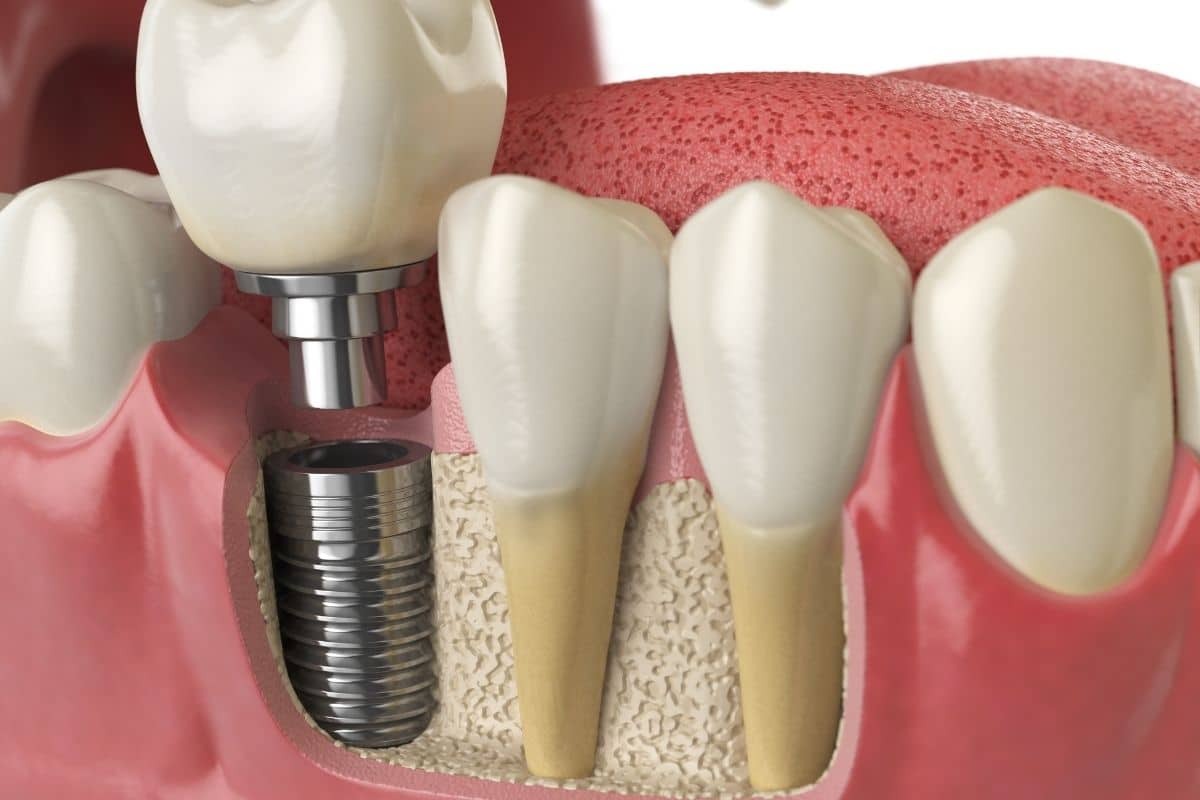
Immediate implant placement means an implant is placed during the same appointment as a tooth extraction or shortly afterward. Delayed implant placement means the extraction site is allowed to heal before implant surgery is performed weeks or months later. Both approaches can be successful when selected for the right patient.
The decision is based on several clinical factors, including bone quality, gum health, infection risk, bite forces, and overall health. The goal is not simply to place an implant as quickly as possible. The goal is to achieve the most predictable long-term outcome.
Why Does Implant Placement Timing Matter?
The longer a tooth remains missing, the greater the likelihood of bone loss and changes in the surrounding teeth and gums. Early evaluation often preserves more treatment options.
A natural tooth root stimulates the jawbone every time you chew. Once that root is gone, the body gradually begins to remove bone from the area because it no longer receives that stimulation.
Many people are surprised to learn that the jawbone can begin changing shortly after tooth loss. Patients often postpone treatment because the missing tooth is not visible when they smile. However, by the time functional problems become noticeable, the underlying bone may have already changed significantly.
For residents throughout Brentwood and nearby communities, a busy schedule often causes dental treatment to move down the priority list. Whether enjoying dinner with family, meeting clients, or attending local community events, people frequently adapt to chewing around a missing tooth without realizing the long-term consequences.
What Happens to the Jawbone After Tooth Loss?
The most significant bone changes occur during the first year after a tooth is lost. Without stimulation from the tooth root, the jawbone naturally begins to shrink.
Bone loss after tooth loss can lead to:
- Reduced jawbone volume
- Shifting neighboring teeth
- Bite changes
- Changes in facial support
- Greater need for future bone grafting
- Increased treatment complexity
This is one reason implant consultations are often recommended soon after a tooth is lost, even if treatment is not performed immediately.
What Are Immediate Dental Implants?
They are placed directly into the extraction site during the same surgical visit or shortly afterward. This approach can reduce overall treatment time and help preserve existing bone.
When conditions are favorable, the implant can be positioned into the extraction socket immediately after the tooth is removed.
Benefits of Immediate Implant Placement
- Shorter overall treatment timeline
- Fewer surgical appointments
- Better preservation of bone contours
- Potential preservation of natural gum architecture
- Earlier planning for the final restoration
In highly visible areas of the smile, preserving the shape of the gums can be especially valuable for achieving natural-looking results.
Limitations of Immediate Implant Placement
Not every patient is a candidate for immediate treatment.
Potential limitations include:
- Active infection
- Significant bone loss
- Insufficient implant stability
- Complex extraction sites
- Certain medical conditions
Careful case selection is critical for success.
Why Doesn’t Everyone Qualify for Immediate Implant Placement?
Immediate placement can be highly effective, but it requires specific anatomical conditions. Patients with significant infection, extensive bone loss, or compromised tissue quality may benefit from a delayed approach.
Advanced imaging allows the dentist to evaluate:
- Available bone volume
- Bone density
- Gum tissue thickness
- Infection levels
- Position of nearby anatomical structures
These factors help determine whether immediate placement can be performed predictably and safely.
What Are Delayed Implants?
These oral appliances are placed after the extraction site has healed. This approach allows the bone and soft tissue to recover before implant surgery begins.
In some cases, healing creates a more stable foundation for implant placement and may reduce surgical risks.
Benefits of Delayed Implant Placement
- Allows healing of infected sites
- Creates a clearer view of the final bone anatomy
- Provides time for bone grafting when necessary
- Often preferred in complex cases
Limitations of Delayed Implant Placement
Patients considering delayed implants should understand that:
- Treatment timelines are longer
- Additional healing phases may be required
- Bone loss can occur while healing
- Bone grafting may become necessary
Even with these considerations, delayed placement remains an excellent and highly successful treatment option for many patients.
Immediate vs Delayed Implants: Which Option Is Better?
There is no universal answer. The best option depends on the condition of the extraction site, available bone, gum health, and long-term treatment goals.
When evaluating immediate vs delayed dental implants, the most important question is not which approach is faster. This is about identifying which approach provides the highest predictability for long-term success.
| Factor | Immediate Placement | Delayed Placement |
| Implant Timing | Same day or shortly after extraction | Weeks or months after extraction |
| Treatment Timeline | Generally shorter | Generally longer |
| Bone Preservation | Often better | Greater risk of natural bone loss |
| Need for Bone Grafting | Sometimes reduced | More commonly required |
| Infection Management | Limited situations | Often preferred |
| Gum Tissue Preservation | Frequently favorable | Depends on healing changes |
| Patient Eligibility | More selective | Suitable for broader cases |
For many patients comparing immediate vs delayed dental implants, the decision ultimately comes down to biological readiness rather than convenience.
How Does Implant Timing Affect Recovery?
Recovery depends more on surgical complexity and patient health than on whether the implant is placed immediately or later.
Several factors influence dental implant recovery, including:
- Bone quality
- Overall health
- Smoking status
- Oral hygiene habits
- Surgical complexity
- Compliance with aftercare instructions
Most patients experience mild swelling and tenderness that gradually improve during the healing process.
How Does Brentwood Dental Group Approach Implant Planning?
Successful implant treatment begins long before surgery. At Brentwood Dental Group, every implant case starts with a detailed evaluation of bone volume, gum health, bite function, and long-term restorative goals.
Rather than recommending a one-size-fits-all solution, treatment planning focuses on what will provide the most stable and natural result for each patient. Whether immediate implants or a delayed approach is recommended, the objective remains the same: preserving oral health while creating a strong foundation for long-term function.
A trusted implant dentist in Brentwood not only explains which treatment is recommended but also why it is recommended.
Protect Your Bone Before Time Changes Your Options
A missing tooth affects more than appearance. It influences jawbone health, bite stability, chewing efficiency, and the future complexity of treatment. While both immediate and delayed implant placement can be successful, the right choice depends on factors unique to your anatomy and oral health.
The most reliable way to determine the ideal treatment timeline is through a comprehensive diagnostic evaluation. Bone quality, gum condition, bite forces, and healing potential all play a role in treatment planning.
If you have recently lost a tooth or are considering tooth replacement, now is the time to learn about your options. Book an appointment with Brentwood Dental Group today and visit our dental office for a personalized implant evaluation designed around your specific needs and long-term goals.
Frequently Asked Questions
Can a dental implant be placed immediately after tooth extraction?
Yes. Many patients qualify for same-day placement when adequate bone and healthy gum tissue are present. A comprehensive examination determines whether immediate placement is appropriate.
Are immediate implants more successful than delayed implants?
Both approaches have excellent success rates when properly selected. Long-term outcomes depend more on planning, healing conditions, and patient health than timing alone.
How long can I wait before replacing a missing tooth?
Waiting longer can increase bone loss and treatment complexity. Early consultation helps preserve options and may reduce the need for additional procedures.
Does everyone need bone grafting before implants?
No. Some patients have sufficient bone for implant placement without grafting. Others may benefit from grafting to improve support and long-term stability.
Is implant surgery painful?
Most patients report less discomfort than expected. Modern techniques and local anesthesia help make the procedure comfortable and manageable.
Can gum disease affect implant timing?
Yes. Active gum disease typically needs to be addressed before implant treatment. Healthy gums provide a more predictable environment for healing and implant success.
Why is early implant consultation important?
Early evaluation allows dentists to assess bone preservation opportunities and identify potential challenges before they become more complex to treat.