
How Sleep Apnea Affects Your Day-to-Day Life: Insights From Best Dentist
Ever felt like you’re running on fumes all day? Maybe you’re nodding off at your desk, struggling to stay awake during meetings, or feeling irritable and moody. If this sounds familiar, you might be dealing with sleep apnea. But what exactly is sleep apnea, and how does it impact your life? Let’s dive in and explore the ways this sleep disorder can wreak havoc on your day-to-day routine.
What is Sleep Apnea?
Sleep apnea is a serious condition where you repeatedly stop breathing during sleep. This can happen hundreds of times a night, disrupting your rest and leaving you feeling exhausted. There are two main types of sleep apnea:
- Obstructive sleep apnea (OSA): The most common type, caused by the collapse of the back of the throat during sleep.
- Central sleep apnea (CSA): Less common, occurs when your brain doesn’t send the right signals to your muscles to keep you breathing.
The Toll of Sleep Apnea on Your Daily Life
- Daytime Fatigue: The most obvious symptom of sleep apnea is excessive daytime sleepiness. Even if you get enough sleep, you may still feel tired throughout the day due to frequent interruptions in your rest.
- Mood Disorders: Sleep deprivation can have a significant impact on your mental health. Studies have shown that people with sleep apnea are more likely to experience depression, anxiety, and irritability.
- Cognitive Impairment: Sleep apnea can also affect your cognitive function. Difficulty concentrating, memory problems, and poor decision-making are common symptoms.
- Increased Risk of Chronic Diseases: Sleep apnea has been linked to a number of serious health conditions, including high blood pressure, heart disease, stroke, and type 2 diabetes.
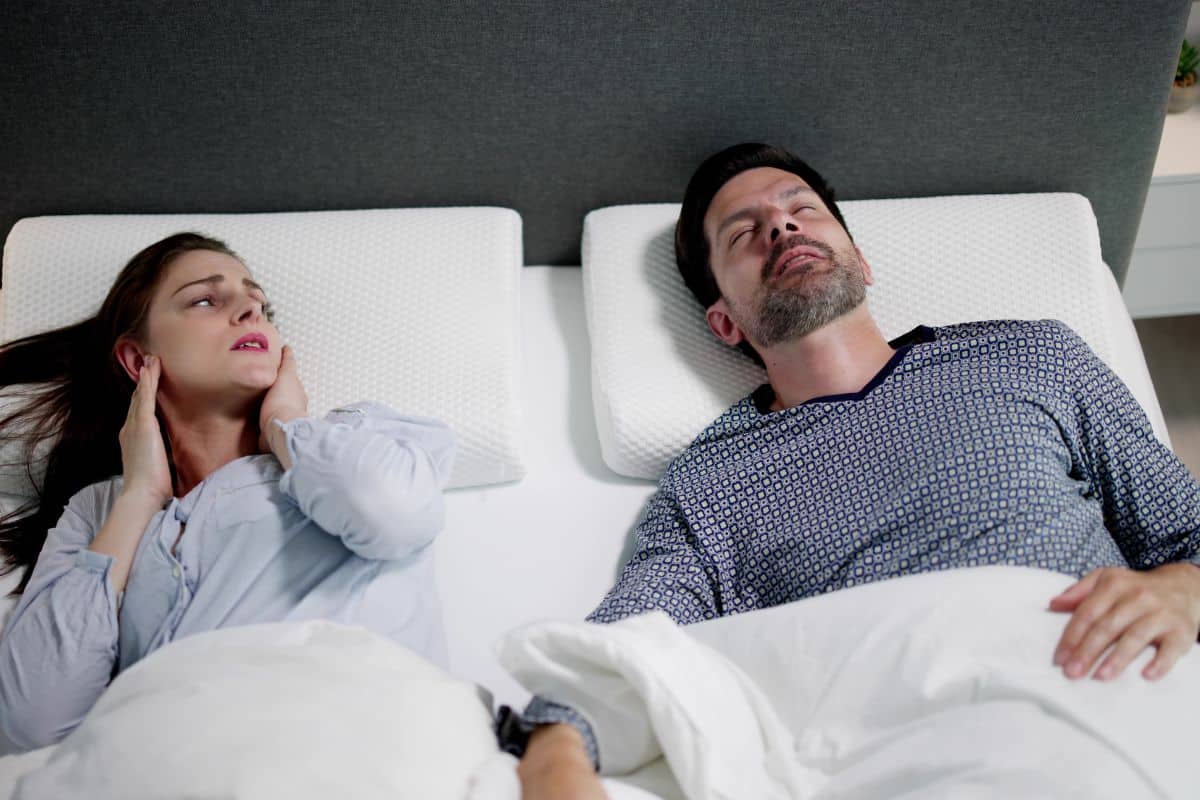
- Relationship Issues: Sleep apnea can strain relationships due to snoring, restlessness, and irritability.
The Impact of Sleep Apnea on Society
According to the American Academy of Sleep Medicine (AASM), over 22 million Americans suffer from sleep apnea. This is a significant public health problem with far-reaching consequences. Sleep apnea can lead to decreased productivity, increased healthcare costs, and even accidents.
What Can You Do?
If you suspect you may have sleep apnea, it’s important to see a doctor. There are several effective treatments available, including:
- Continuous Positive Airway Pressure (CPAP): This is the gold standard treatment for sleep apnea. A CPAP machine delivers pressurized air through a mask to keep your airway open during sleep.
- Oral Appliances: For mild to moderate cases, a dentist may prescribe a custom-made oral appliance to keep your airway open.
- Surgery: In some cases, surgery may be recommended to treat the underlying cause of sleep apnea.
By seeking help and managing your sleep apnea, you can improve your quality of life and reduce your risk of serious health complications.
Remember, a good night’s sleep is essential for your overall well-being. Don’t let sleep apnea hold you back. Take control of your health and start feeling your best.