
Sleep Apnea in Brentwood: Causes, Symptoms, and Effective Treatments for Restful Nights
Welcome to our blog post on sleep apnea in Brentwood! If you or a loved one have been struggling with restless nights and constant fatigue, then this article is for you. Sleep apnea is a common but often undiagnosed sleep disorder that can have serious implications for your overall health and well-being. In this informative piece, we will explore the causes, symptoms, and effective treatments for sleep apnea so that you can finally enjoy restful nights and wake up feeling refreshed. So grab a cup of tea, get cozy, and let’s dive into the world of sleep apnea together!
What is Sleep Apnea?
Sleep apnea is a sleep disorder characterized by interruptions in breathing during sleep. It occurs when the airway becomes blocked or collapses, causing brief pauses in breathing that can last for a few seconds to minutes. These interruptions disrupt your normal sleep pattern and prevent you from getting the quality rest you need.
There are three main types of sleep apnea: obstructive sleep apnea (OSA), central sleep apnea (CSA), and complex/mixed sleep apnea. OSA, which is the most common form, happens when the throat muscles relax and block the airway. CSA occurs when there is a communication breakdown between the brain signals that control breathing. Complex/mixed sleep apnea is a combination of both OSA and CSA.
The causes of these different types of sleep apnea vary. For OSA, risk factors include obesity, smoking, alcohol consumption, nasal congestion, and certain anatomical factors such as large tonsils or a recessed chin. CSA can be caused by underlying medical conditions like heart failure or stroke.
If left untreated, sleep apnea can lead to serious health problems such as high blood pressure, heart disease, diabetes, and even an increased risk of accidents due to daytime drowsiness.
So if you find yourself experiencing chronic snoring or feeling excessively tired during the day despite sleeping for an adequate amount of time at night – it may be worth seeking professional help to get properly diagnosed with this condition.
Remember – knowledge is power! Understanding what exactly is happening in your body when you have sleep apnea can empower you to take control of your health and seek effective treatments that will allow you to enjoy restful nights once again. Stay tuned as we explore the symptoms and treatments for this common yet often overlooked condition!
What are the Causes of Sleep Apnea?
Sleep apnea is a common sleep disorder that affects millions of people worldwide. It occurs when the airway becomes blocked or collapses during sleep, leading to pauses in breathing and disruptions in sleep patterns. While there are several factors that can contribute to the development of this condition, the exact causes of sleep apnea can vary from person to person.
One of the primary causes of sleep apnea is excess weight or obesity. When a person carries extra weight, it can put added pressure on their airway and make it more likely to collapse during sleep. Additionally, fat deposits around the neck and throat can further obstruct airflow.
Another common cause of sleep apnea is anatomical abnormalities in the nose, throat, or mouth. For example, a deviated septum or enlarged tonsils can narrow the airway and make it easier for obstructions to occur during sleep.
In some cases, sleep apnea may be caused by underlying medical conditions such as hypothyroidism or acromegaly. These conditions can affect hormone levels or lead to physical changes that increase the risk of airway blockages.
Certain lifestyle habits such as smoking and excessive alcohol consumption have also been linked to an increased risk of developing sleep apnea. These behaviors can relax muscles in the body including those in the throat and tongue which play a role in maintaining open airways during restful nights.
It’s important to note that while these factors may contribute to the development of sleep apnea, they do not guarantee its occurrence. Many individuals who do not possess any known risk factors still develop this condition due to other reasons yet unidentified by medical science.
Understanding potential causes behind this disorder is essential for effective diagnosis and treatment options tailored specifically for each individual suffering from it.
Symptoms of Sleep Apnea
Sleep apnea can have a significant impact on your overall well-being, and it’s important to be aware of the symptoms so you can seek treatment if necessary. While everyone experiences sleep apnea differently, there are some common signs that may indicate this condition.
One of the most prevalent symptoms is loud and chronic snoring. If you find yourself disturbing others with your noisy snores, it could be a red flag for sleep apnea. Additionally, waking up frequently during the night gasping or choking for breath is another symptom to watch out for.
Daytime fatigue and excessive daytime sleepiness are also common indicators of sleep apnea. Despite getting what seems like an adequate amount of rest, individuals with this condition often feel tired throughout the day. They may struggle to stay awake while driving or even fall asleep at inappropriate times.
Other symptoms include morning headaches, dry mouth or sore throat upon waking up, difficulty concentrating or remembering things, irritability, and mood swings.
If you notice any combination of these symptoms in yourself or a loved one, it’s crucial to consult with a healthcare professional who specializes in sleep disorders. They can provide an accurate diagnosis and recommend appropriate treatment options tailored to your needs. Remember that addressing sleep apnea not only improves your quality of life but also reduces potential health risks associated with untreated conditions.
What are the Effective Treatments for Sleep Apnea?
Effective treatments for sleep apnea can greatly improve the quality of your sleep and overall well-being. There are several options available, depending on the severity and type of sleep apnea.
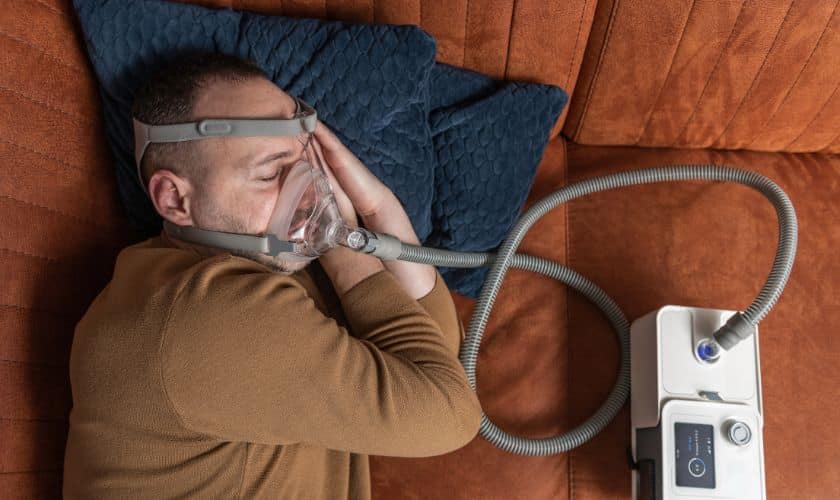
One common treatment is continuous positive airway pressure (CPAP), which involves wearing a mask over your nose or mouth while you sleep. This mask delivers a constant flow of air to keep your airways open, reducing or eliminating episodes of interrupted breathing.
Another option is an oral appliance, which is custom-made by a dentist. This device helps to reposition your jaw and tongue to keep your airway open during sleep.
Lifestyle changes can also be effective in managing sleep apnea. Losing weight, avoiding alcohol and sedatives before bedtime, quitting smoking, and sleeping on your side instead of your back can all help to reduce symptoms.
In some cases, surgery may be recommended as a last resort if other treatments have not been successful. Surgical options include removing excess tissue from the throat or restructuring the jaw to create more space for airflow.
It’s important to work with a healthcare professional who specializes in sleep disorders to determine the most appropriate treatment plan for you. With proper treatment, you can experience restful nights and improved daytime functioning.
What is Sleep Apnea?
Sleep apnea is a sleep disorder that affects many individuals in Brentwood and around the world. It occurs when a person’s breathing is interrupted during sleep, causing them to briefly wake up multiple times throughout the night. These interruptions may be brief and go unnoticed, or they can be more severe and result in loud snoring or gasping for air.
There are three main types of sleep apnea: obstructive sleep apnea (OSA), central sleep apnea (CSA), and complex sleep apnea syndrome (Comp SA). OSA is the most common type, caused by a physical blockage of the airway during sleep. CSA occurs when the brain fails to send proper signals to control breathing during sleep. Comp SA is a combination of both OSA and CSA.
The causes of sleep apnea can vary from person to person. For some individuals, it may be due to excess weight or obesity, which can lead to an accumulation of fatty tissue around the throat area. Others may have structural abnormalities in their airway that contribute to obstruction during sleep.
Symptoms of sleep apnea include loud snoring, excessive daytime fatigue or drowsiness, morning headaches, difficulty concentrating, irritability, restless tossing and turning at night, frequent awakenings with choking or gasping sensations. If you suspect you have any symptoms related to this condition it’s important consult with your healthcare provider who specialized on Sleep Medicine.
Getting diagnosed with sleep apnea typically involves undergoing a comprehensive evaluation that includes detailed medical history assessment as well as overnight polysomnography test – commonly referred as “sleep study”. This test monitors various physiological parameters such as brain waves activities along with heart rate / rhythm data while patients are sleeping.
Effective treatments for sleep apnea depend on its severity and underlying cause but often include making lifestyle changes like losing weight if necessary , avoiding alcohol before bed time , quitting smoking; using continuous positive airway pressure therapy(CPAP) or other non-invasive positive pressure ventilation (NIPPV) devices
The Different Types of Sleep Apnea
Sleep apnea is a sleep disorder that affects millions of people around the world, including those in Brentwood. It is characterized by pauses in breathing or shallow breaths during sleep, which can disrupt the normal sleep cycle and lead to various health issues. One important aspect to understand about sleep apnea is that there are different types.
Obstructive Sleep Apnea (OSA) is the most common type and occurs when the airway becomes partially or completely blocked during sleep. This blockage can be due to factors such as excess weight, large tonsils, or a narrow throat.
Central Sleep Apnea (CSA), on the other hand, happens when the brain fails to send proper signals to control breathing during sleep. This type of apnea is less common but can have serious consequences for overall health.
Complex Sleep Apnea Syndrome combines characteristics of both obstructive and central sleep apneas. It usually starts as OSA but then transitions into CSA over time.
It’s crucial for individuals with symptoms of sleep apnea to seek medical attention and get a proper diagnosis from a healthcare professional trained in treating this condition.
Causes of Sleep Apnea
Causes of sleep apnea can vary from person to person, and understanding these causes is essential for effective treatment. One common cause is obesity, as excess weight can lead to the narrowing of the airway and obstructed breathing during sleep. Another potential cause is anatomical abnormalities in the throat or jaw, such as a deviated septum or enlarged tonsils, which can also disrupt normal airflow.
In some cases, sleep apnea may be caused by underlying medical conditions like hypothyroidism or congestive heart failure. Additionally, certain lifestyle factors like smoking and alcohol consumption can contribute to the development of sleep apnea.
It’s important to note that age and gender can also play a role in the occurrence of sleep apnea. Men are more likely than women to experience this condition, especially if they are over 40 years old.
By addressing these potential causes with appropriate interventions and treatments tailored to each individual’s needs, it is possible to manage sleep apnea effectively and improve overall quality of life.
Symptoms of Sleep Apnea
Symptoms of sleep apnea can vary from person to person, but there are common signs that may indicate the presence of this condition. One of the most noticeable symptoms is loud and chronic snoring. If you or your partner snores loudly on a regular basis, it could be a sign of sleep apnea.
Another symptom is frequent awakenings during the night. People with sleep apnea often wake up gasping for air or choking, disrupting their sleep patterns and leaving them feeling exhausted in the morning. Daytime fatigue is another common symptom associated with sleep apnea. This excessive daytime drowsiness can make it difficult to concentrate, affect performance at work or school, and even lead to accidents.
Morning headaches are also a potential symptom of sleep apnea. These headaches may be caused by decreased oxygen levels during episodes of obstructed breathing throughout the night. Additionally, individuals with sleep apnea may experience irritability, mood swings, depression, and difficulty focusing.
If you suspect you have any of these symptoms or if you have been told by your partner that you exhibit signs while sleeping such as pauses in breathing or gasping sounds, it’s important to consult with a healthcare professional for further evaluation and diagnosis.
How to Get a Diagnosis for Sleep Apnea
If you suspect that you or a loved one may be experiencing sleep apnea, it is important to seek a proper diagnosis. Getting an accurate diagnosis is the first step towards finding effective treatment options and improving your quality of life.
To get a diagnosis for sleep apnea, the most common approach is to undergo a sleep study. This study, known as polysomnography, involves spending the night at a specialized sleep center where your breathing patterns, brain waves, heart rate, and other vital signs are monitored while you sleep.
During the sleep study, sensors will be placed on various parts of your body to collect data. This information will then be analyzed by trained professionals who can determine if you have any episodes of interrupted breathing or abnormal sleeping patterns characteristic of sleep apnea.
In some cases, home-based tests may also be used to diagnose milder forms of sleep apnea. These portable devices monitor your breathing and oxygen levels while you sleep in the comfort of your own bed.
It’s essential to consult with a healthcare professional who specializes in sleep medicine before undergoing any diagnostic testing. They will evaluate your symptoms and medical history to determine which type of test would be most appropriate for you.
Remember that receiving an accurate diagnosis is crucial for developing an effective treatment plan tailored specifically for your needs. So don’t hesitate to reach out and take control of your health by getting diagnosed for potential sleep apnea today!
Effective Treatments for Sleep Apnea
Effective treatments for sleep apnea can greatly improve your quality of life and help you get the restful nights you deserve. There are several options available depending on the severity of your condition.
One common treatment is continuous positive airway pressure (CPAP) therapy. This involves wearing a mask over your nose or mouth while you sleep, which delivers a steady stream of air to keep your airways open. CPAP machines have come a long way in recent years, with quieter motors and more comfortable masks, making it easier than ever to use this treatment option.
Another option is an oral appliance, which is custom-made by a dentist to fit comfortably in your mouth. These devices work by repositioning the jaw and tongue to keep the airways open during sleep. They can be especially beneficial for those with mild to moderate sleep apnea.
In some cases, lifestyle changes may also be recommended as part of the treatment plan. This could include losing weight if necessary, avoiding alcohol and sedatives before bed, and sleeping on your side instead of your back.
Surgery may be considered for severe cases that do not respond well to other treatments. Procedures such as uvulopalatoplasty pharyngoplasty (UPPP) or maxillomandibular advancement (MMA) can help remove excess tissue or reposition structures in the throat to reduce obstruction.
It’s important to consult with a healthcare professional who specializes in sleep disorders to determine the most suitable treatment for your individual needs. Remember that effective management of sleep apnea can significantly improve both your physical health and overall well-being.
Sleep apnea is a serious sleep disorder that affects many individuals in Brentwood and around the world. It can have detrimental effects on both physical and mental health if left untreated. Understanding the causes, symptoms, and available treatments for sleep apnea is crucial for ensuring restful nights and improved overall well-being.
By recognizing the signs of sleep apnea such as loud snoring, frequent awakenings during the night, and excessive daytime tiredness, individuals can seek a proper diagnosis from a medical professional. This may involve undergoing a sleep study to monitor breathing patterns while sleeping.
Once diagnosed with sleep apnea, effective treatment options are available to help manage the condition. Continuous positive airway pressure (CPAP) therapy is commonly prescribed and involves wearing a mask over the nose or mouth during sleep to deliver pressurized air to keep the airways open.
Other treatments may include oral appliances that help reposition the jaw or tongue to prevent blockages in the throat, lifestyle changes such as weight loss and regular exercise which can reduce symptoms of obstructive sleep apnea, positional therapy which involves sleeping in specific positions to promote better airflow, or even surgery in severe cases.
It’s important for those experiencing symptoms of sleep apnea not to ignore them but instead seek medical attention promptly. With proper diagnosis and adherence to recommended treatments, individuals with sleep apnea can experience significant improvements in their quality of life.
If you suspect that you or someone you know may be suffering from this common yet often undiagnosed condition, don’t hesitate to reach out for professional help. Sleep should never be compromised when it comes to our overall health and well-being. Take control of your nights by addressing any concerns related to sleep apnea today!