
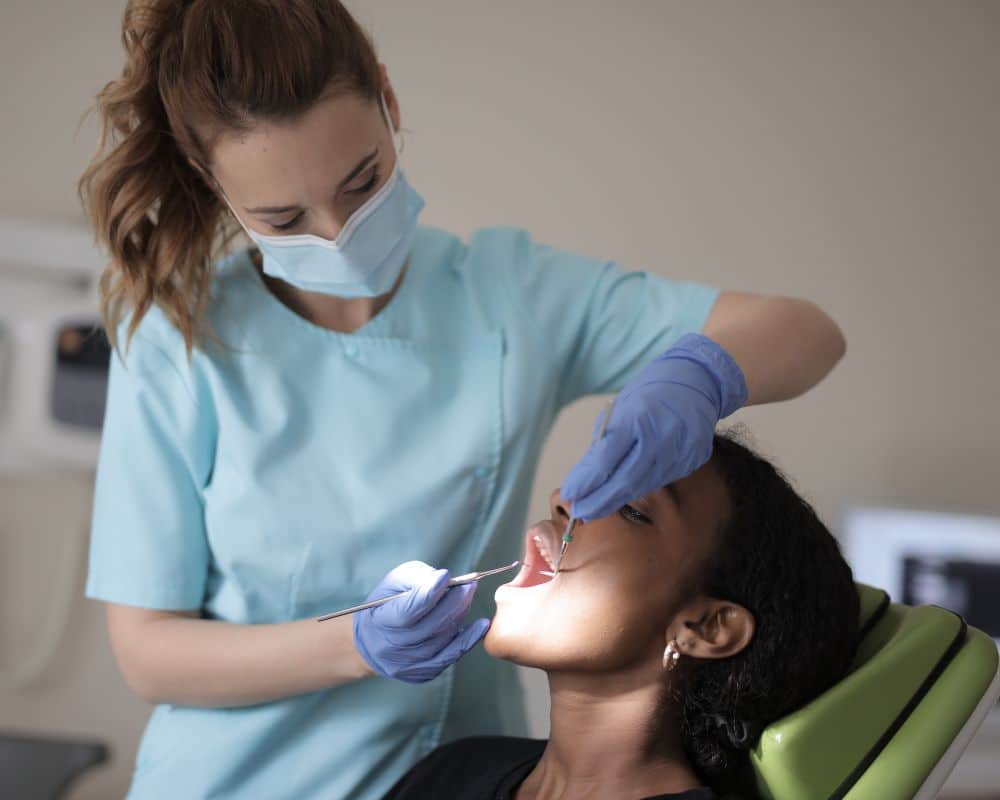
Important Steps to Take During a Dental Emergency
Dental emergencies can strike at the most inconvenient times, causing significant pain and distress. Knowing the right steps to take can not only alleviate discomfort but also prevent further complications. If you’re experiencing a dental emergency and find yourself in need of an emergency dentist near Brentwood, it’s crucial to act swiftly and wisely. Here’s a comprehensive guide to managing dental emergencies effectively.
Recognize the Dental Emergency
First, it’s essential to identify what constitutes a dental emergency. Common situations include:
- Severe toothache: Persistent, intense pain that doesn’t subside with over-the-counter painkillers.
- Knocked-out tooth: A tooth that has been completely dislodged from its socket.
- Cracked or broken tooth: Significant damage to the structure of a tooth.
- Loose tooth: A tooth that is noticeably loose without a clear cause.
- Abscess or swelling: A painful, swollen area in the gums that might indicate an infection.
Understanding these signs can help you determine whether immediate dental emergency treatment is necessary.
Remain Calm and Assess the Situation
Staying calm during a dental emergency is crucial. Panic can hinder your ability to take appropriate action. Start by assessing the extent of the injury or issue. This initial evaluation will guide your next steps and ensure you provide accurate information to the dental office in Brentwood.
Contact an Emergency Dentist Near Brentwood
Once you’ve identified the problem, contact an emergency dentist near Brentwood immediately. Many dental offices, including those in Brentwood, offer emergency services or have provisions for urgent care. When you call, be ready to explain your symptoms clearly and concisely. This information will help the dental team prepare for your arrival and provide prompt, effective treatment.
Follow Initial Self-Care Steps
While waiting to see the dentist, there are several steps you can take to manage pain and protect your teeth:
- Toothache: Rinse your mouth with warm water and use dental floss to remove any trapped food particles. Avoid placing aspirin directly on the gums, as it can cause burns.
- Knocked-out tooth: Handle the tooth by the crown (top), not the root. Rinse it gently with water if it’s dirty, but do not scrub. If possible, place the tooth back in its socket and hold it in place. If this isn’t feasible, keep it in a container of milk or saliva.
- Cracked or broken tooth: Rinse your mouth with warm water and apply a cold compress to the outside of your face to reduce swelling.
- Loose tooth: Avoid touching or moving the tooth and see the dentist as soon as possible.
- Abscess or swelling: Rinse your mouth with a mild saltwater solution several times a day to help reduce pain and draw out some of the infection.
Avoid Common Mistakes
Certain actions can exacerbate dental emergencies. To ensure you don’t make the situation worse:
- Don’t ignore the pain or delay treatment, as this can lead to more severe issues.
- Avoid eating hard or chewy foods that could cause further damage.
- Refrain from using sharp objects to remove food or debris from your teeth.
- Don’t apply heat to a swollen area, as this can increase inflammation.
Prepare for Your Dental Visit
Gather all necessary information and items before heading to the dental office. Bring along:
- Identification and insurance details.
- A list of any medications you’re currently taking.
- The knocked-out or broken tooth, if applicable.
Being prepared will facilitate a smoother and more efficient dental emergency treatment.
What to Expect During Your Visit
At the dental office in Brentwood, the emergency dentist will conduct a thorough examination to assess the damage and determine the best course of action. This may involve X-rays and other diagnostic tests. Based on the findings, the dentist will provide appropriate treatment, which could range from a simple filling or crown to more complex procedures like root canal therapy or tooth extraction.
Post-Treatment Care
Following your treatment, adhere to all the dentist’s instructions for post-care to ensure proper healing. This may include taking prescribed medications, avoiding certain foods, and following up with additional appointments if necessary.
Preventing Future Dental Emergencies
While accidents happen, you can take steps to minimize the risk of dental emergencies:
- Maintain good oral hygiene with regular brushing and flossing.
- Visit your dentist for routine check-ups and cleanings.
- Wear a mouth guard during sports or physical activities.
- Avoid using your teeth as tools to open packages or bottles.
Conclusion
Dealing with a dental emergency can be daunting, but knowing how to respond can make a significant difference. If you’re ever in need of an emergency dentist near Brentwood, remember these crucial steps to ensure you receive prompt and effective dental emergency treatment. By staying calm, seeking immediate care, and following appropriate self-care measures, you can protect your oral health and alleviate discomfort efficiently.