How To Recognize The Symptoms of Sleep Apnea?
Ever woken up feeling tired even after a full night’s sleep? Or maybe you’ve been told your snoring is so loud, it could wake the dead? If so, you might have sleep apnea.
While most people associate sleep apnea with loud snoring, it’s much more than that. It’s a serious condition that can have significant health consequences if left untreated.
So, let’s dive into the world of sleep apnea and learn how to recognize its symptoms.
What is Sleep Apnea?
Sleep apnea is a disorder where you stop breathing intermittently during sleep. This happens because your throat muscles relax, blocking your airway. As a result, your brain has to wake you up briefly to restart your breathing. This constant disruption can lead to poor sleep quality and a host of other problems.
Common Symptoms of Sleep Apnea
While snoring is a common symptom, it’s not the only one. Here are some other signs to look out for:
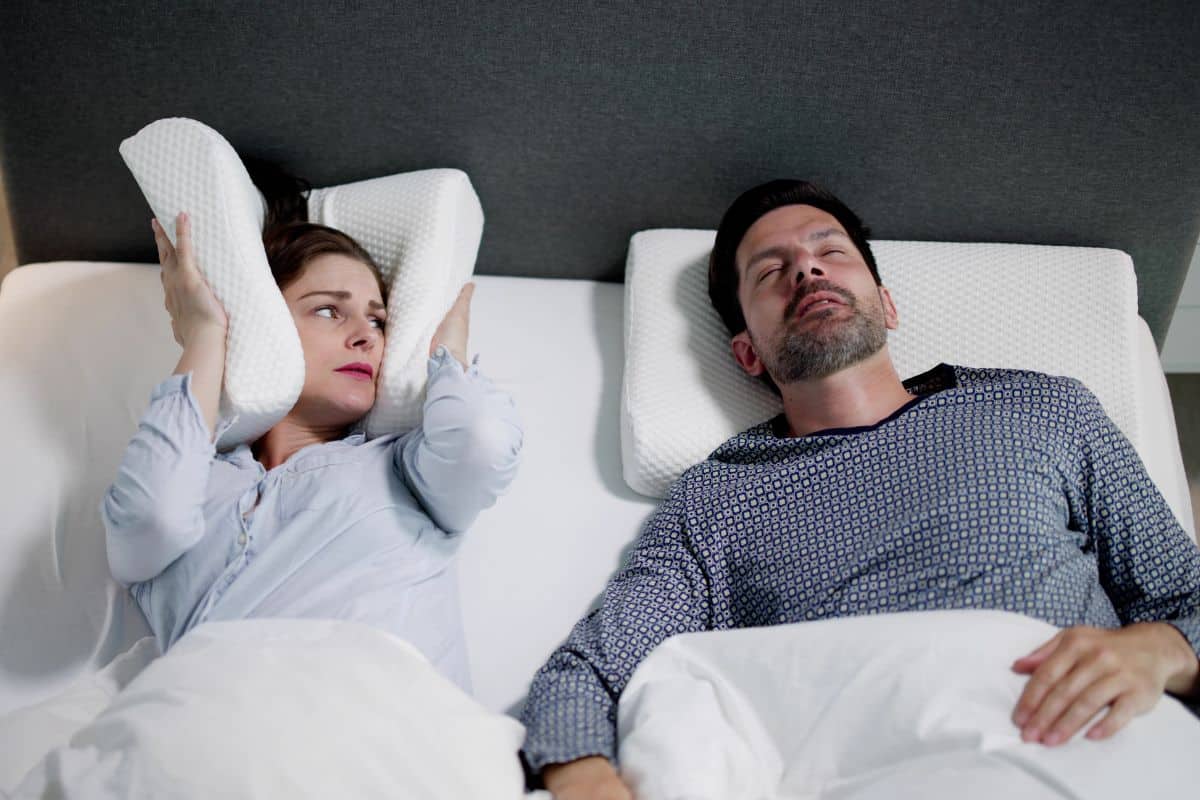
- Loud snoring: This is often the most noticeable symptom, especially if it’s accompanied by gasping or choking sounds.
- Daytime sleepiness: Feeling tired or drowsy during the day, even after getting enough sleep.
- Difficulty concentrating: Trouble focusing or paying attention.
- Dry mouth or sore throat in the morning: This can be caused by mouth breathing during sleep.
- Frequent headaches: Waking up with headaches or experiencing frequent migraines.
- Restless sleep: Tossing and turning throughout the night.
- Mood swings: Feeling irritable, anxious, or depressed.
- High blood pressure: Sleep apnea can contribute to high blood pressure.
- Night sweats: Waking up drenched in sweat.
Risk Factors for Sleep Apnea
Certain factors can increase your risk of developing sleep apnea, including:
- Obesity: Excess weight can put pressure on your airway.
- Age: The risk of sleep apnea increases with age.
- Gender: Men are more likely to develop sleep apnea than women.
- Family history: If a family member has sleep apnea, you may be at a higher risk.
- Smoking: Smoking can irritate your throat and contribute to inflammation.
- Alcohol and sedative use: These substances can relax your throat muscles, making it more likely to collapse.
- Large tonsils or adenoids: Enlarged tonsils or adenoids can block your airway.
The Dangers of Untreated Sleep Apnea
Ignoring the symptoms of sleep apnea can have serious consequences, including:
- Heart problems: Sleep apnea can increase your risk of heart attack, stroke, and heart failure.
- High blood pressure: Untreated sleep apnea can lead to high blood pressure.
- Diabetes: Sleep apnea is associated with an increased risk of developing type 2 diabetes.
- Cognitive problems: Sleep apnea can impair memory, concentration, and decision-making.
- Depression: Sleep apnea can contribute to feelings of depression and anxiety.
Seeking Help for Sleep Apnea
If you suspect you may have sleep apnea, it’s important to see a doctor for diagnosis and treatment. A sleep study can help determine if you have sleep apnea and the severity of the condition.
There are several treatment options available for sleep apnea, including:
- Continuous positive airway pressure (CPAP): This involves wearing a mask that delivers pressurized air to keep your airway open.
- Oral appliances: Custom-made mouthguards can help keep your jaw and tongue in a position that prevents your airway from collapsing.
- Surgery: In some cases, surgery may be recommended to address underlying issues that contribute to sleep apnea.
Remember, sleep apnea is a treatable condition. By recognizing the symptoms and seeking help, you can improve your sleep quality and overall health.