Exploring Alternatives To CPAP For Sleep Apnea Treatment
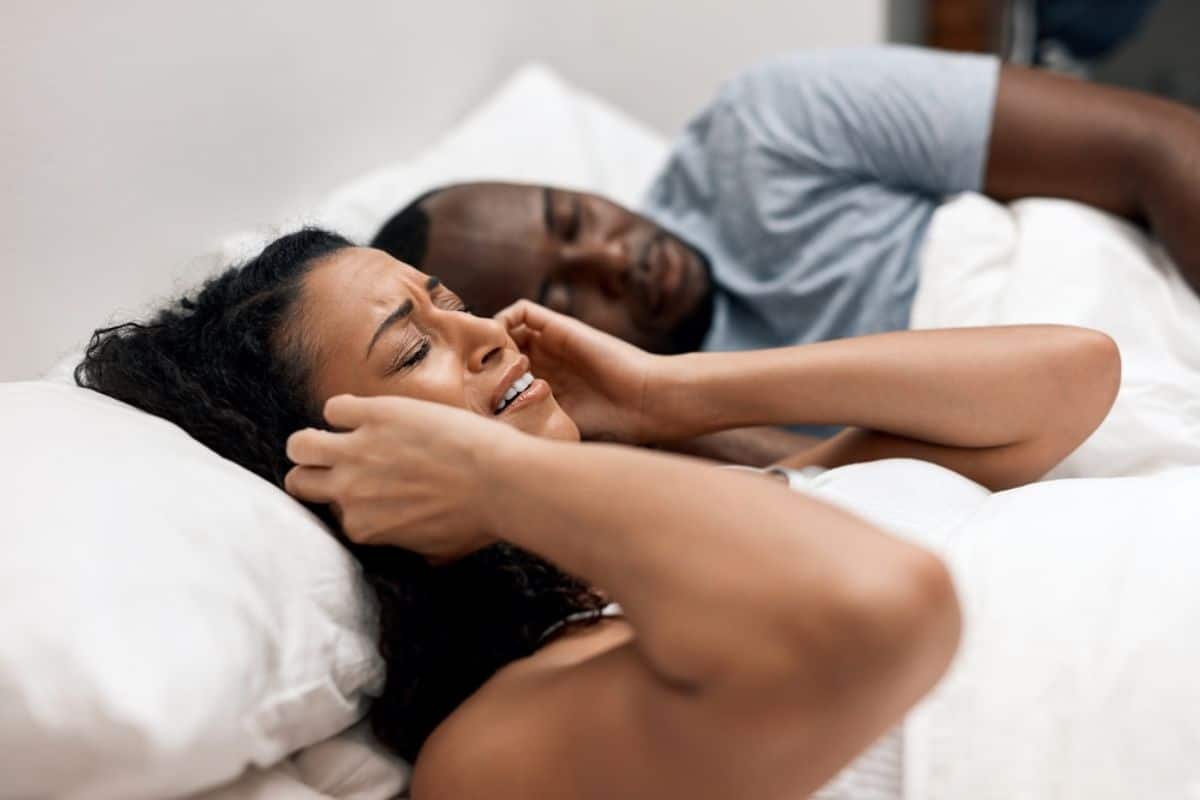
Let’s be honest, sometimes the thought of strapping on that bulky CPAP mask every night feels less like a cure and more like a punishment. If you’re nodding your head in agreement, you’re not alone. While CPAP therapy remains the gold standard for treating obstructive sleep apnea (OSA), many find it uncomfortable, inconvenient, or even downright impossible to use consistently.
But don’t despair! There are alternative treatment options available, each with its own set of pros and cons. In this blog post, we’ll explore some of the most promising alternatives to CPAP, backed by data and insights from reputable sources.
Oral Appliances
- How they work: These custom-fitted mouthguards, similar to athletic mouthguards, gently reposition the jaw and tongue to keep the airway open during sleep.
According to the American Academy of Sleep Medicine (AASM), oral appliances can be effective for mild to moderate OSA in some individuals.
- Pros: More comfortable and discreet than CPAP, easy to travel with.
- Cons: May not be effective for all cases of OSA, and can cause jaw discomfort or tooth shifting.
Mandibular Advancement Devices (MADs)
- How they work: A specific type of oral appliance that gently pulls the lower jaw forward, preventing the tongue from blocking the airway.
A study published in the Journal of Clinical Sleep Medicine found that MADs can significantly improve sleep quality and reduce the severity of OSA in many patients.
- Pros: Generally well-tolerated, compact, and easy to use.
- Cons: Not suitable for everyone, may cause dental issues in some cases.
Surgery
- How it works: Various surgical procedures can address the underlying causes of OSA, such as:
- Uvulopalatopharyngoplasty (UPPP): Removes excess tissue from the back of the throat.
- Maxillomandibular Advancement (MMA): Surgically adjusts the jaw to create more space in the airway.
- Septoplasty: Corrects a deviated septum.
- Turbinate reduction: Reduces the size of the nasal turbinates to improve airflow.
The AASM acknowledges that surgery can be an effective treatment option for certain patients, particularly those with severe OSA.
- Pros: Can provide a long-term solution for some individuals.
- Cons: Involves risks and recovery time associated with any surgical procedure, and may not be suitable for everyone.
Lifestyle Modifications
How they work:
- Weight loss: Even modest weight loss can significantly improve OSA symptoms.
- Exercise: Regular physical activity can strengthen the muscles that support the airway.
- Dietary changes: Avoiding alcohol and sedatives before bed can help maintain an open airway.
- Quitting smoking: Smoking irritates the airways and increases the risk of OSA.
A study published in the International Journal of Obesity found that weight loss can significantly reduce the severity of OSA in obese individuals.
- Pros: Non-invasive, improves overall health, often covered by insurance.
- Cons: May require significant lifestyle changes, and may not be effective for all individuals.
Positional Therapy
How it works: Involves sleeping on your side to prevent the tongue from blocking the airway.
Studies have shown that side sleeping can significantly improve sleep quality and reduce the severity of OSA in some individuals.
Pros: Simple and inexpensive, can be used in conjunction with other treatments.
Cons: May not be effective for everyone, requires consistent adherence.
Choosing the Right Alternative
The best treatment option for you will depend on several factors, including the severity of your OSA, your overall health, your lifestyle, and your personal preferences.
- Consult with a sleep specialist: A sleep physician can accurately diagnose your OSA, assess your risk factors, and recommend the most appropriate treatment options for you.
- Discuss your concerns: Don’t hesitate to discuss your qualified dentist in Brentwood. They can help you weigh the pros and cons of each option and make an informed decision.
Conclusion
While CPAP remains a highly effective treatment for sleep apnea, it’s not the only option. Alternatives like Oral Appliance Therapy, positional therapy, hypoglossal nerve stimulation, and lifestyle changes offer viable solutions for those who struggle with CPAP compliance. By exploring these alternatives and consulting with a sleep specialist, you can find a treatment that fits your lifestyle and improves your quality of sleep. Remember, the key to effective sleep apnea management is consistent and comfortable treatment. Don’t hesitate to explore your options and take control of your sleep health.