
Overbite vs Underbite: Differences, Causes, and Treatment Options
That Feeling When Your Smile Just Doesn’t Sit Right
You’ve probably caught yourself in a photo or a mirror and thought, something looks a little off. Maybe your upper teeth jut out noticeably, or your lower jaw seems to push forward. If that sounds familiar, you’re far from alone, bite misalignments are among the most common dental concerns we see every day.
Understanding the difference between an overbite and underbite is the first step toward knowing your options and taking control of your smile. And the good news? Both are very treatable. Let’s walk through what these conditions actually are, what causes them, and how modern dentistry can help.
What Is an Overbite?
An overbite happens when the upper front teeth extend too far over the lower front teeth when the mouth is closed. A small degree of overlap (about 2–3 mm) is completely normal. It only becomes a concern when that overlap is excessive, typically when the upper teeth cover more than 30% of the lower teeth.
Overbite teeth can cause a range of issues, including:
- Tooth enamel wear on the front teeth
- Jaw pain or temporomandibular joint (TMJ) discomfort
- Difficulty biting or chewing certain foods
- Speech challenges in some cases
- Self-consciousness about the appearance of the smile
You may have also heard an overbite called “buck teeth” informally, though that term usually refers specifically to when the upper teeth protrude forward as well as downward.
What Is an Underbite?
An underbite is the opposite: here, the lower teeth and jaw extend in front of the upper teeth when the mouth is closed. Underbite teeth can give the lower face a more prominent, jutting appearance.
While underbites are less common than overbites, they tend to cause more noticeable functional issues, including:
- Difficulty biting and chewing food properly
- Uneven wear on teeth
- Mouth breathing and sleep disruptions
- Speech difficulties, particularly with certain consonants
- Facial discomfort or chronic jaw strain
Left untreated, both conditions can worsen over time which is why early evaluation matters so much.
What Causes These Bite Problems?
Most bite misalignments come down to a combination of genetics and habits. Here’s what typically plays a role:
Genetic factors are the most common cause. Bite alignment issues like overbites and underbites can run in families, making children more likely to develop similar concerns. Jaw size and shape are largely inherited traits.
Childhood habits such as prolonged thumb-sucking, pacifier use beyond age 3, or extended bottle-feeding can apply pressure to developing teeth and jaws, gradually shifting their alignment.
Tooth loss or crowding can cause remaining teeth to shift position, altering the way upper and lower teeth meet.
Injury to the jaw can sometimes result in misalignment, particularly if healing doesn’t restore the jaw to its original position.
Understanding the root cause of your bite issue helps your dentist or orthodontist recommend the most effective treatment approach.
Treatment Options: What Are Your Choices?
The right treatment depends on the severity of the misalignment, your age, and your overall dental health. Below are some of the most widely recommended treatment approaches.
Braces
Traditional braces for overbite correction are highly effective, especially for moderate to severe cases. Braces apply consistent, gradual pressure to move teeth into proper alignment. Underbite teeth braces work similarly, though treatment for underbites may sometimes also require appliances that address jaw position.
Braces are often the gold standard for growing children and teenagers, when the jaw is still developing and more responsive to guided correction.
Clear Aligners
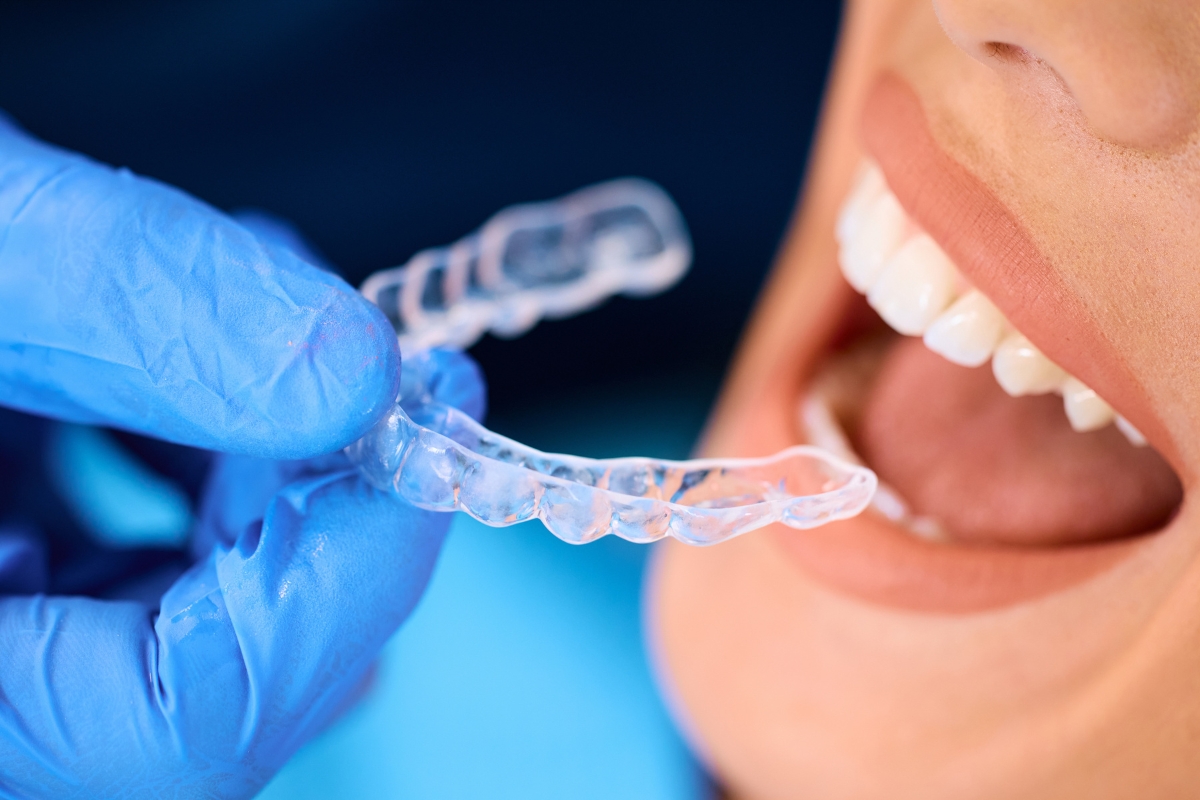
For adults and teens with mild to moderate overbites, clear aligners have become an increasingly popular alternative to traditional braces. They’re removable, nearly invisible, and can be just as effective for the right candidate. If you’re wondering whether this option suits your bite, exploring Invisalign treatment could be a great starting point. It is a solution that many of our patients have found life-changing.
Palate Expanders
Sometimes used alongside braces, palate expanders gently widen the upper jaw over time. They’re most effective in children and young adolescents before the jaw bones fully fuse.
Jaw Surgery (Orthognathic Surgery)
In cases of severe skeletal underbite or overbite, where the jaw itself is significantly out of proportion, surgery may be the most effective long-term solution. This is generally considered only for adults after jaw growth is complete.
Tooth Extraction
In some cases, removing one or more teeth can create enough space for the remaining teeth to shift into a healthier alignment, particularly when crowding is a contributing factor.
When Should You See a Dentist?
If you notice any of the following, it’s a good idea to schedule a consultation sooner rather than later:
- Your upper or lower teeth visibly protrude
- You experience jaw pain, clicking, or frequent headaches
- You have difficulty biting, chewing, or speaking clearly
- You feel self-conscious about your smile in photos or conversation
The earlier a bite issue is caught, the more treatment options are available and the less complex (and expensive) correction tends to be.
Ready to Take the Next Step?
Your bite affects more than just your appearance, it influences how you eat, speak, and feel day to day. At Brentwood Dental Group, we believe everyone deserves a smile that works well and looks great. Whether you’re dealing with a long-standing bite issue or just starting to notice changes, our team is here to help you explore your options in a comfortable, judgment-free environment.
Schedule your consultation today and let’s build a treatment plan that fits your life, your timeline, and your goals. We’d love to hear from you.
Frequently Asked Questions
Q: Can an overbite or underbite fix itself without treatment?
Bite misalignments rarely self-correct. In children, mild issues may improve slightly as permanent teeth come in, but significant overbites or underbites typically require professional treatment to resolve.
Q: At what age should bite problems be treated?
Orthodontists recommend a first evaluation by age 7. Early treatment in children can be more effective since the jaw is still growing, though adults can also be treated successfully.
Q: Is it painful to correct an overbite or underbite with braces?
There may be some discomfort in the first few days after braces are placed or adjusted. This is temporary and manageable with over-the-counter pain relief and usually fades within a day or two.
Q: Can clear aligners fix an underbite?
Clear aligners can correct mild to moderate underbites. Severe skeletal underbites, however, may require a combination of orthodontic treatment and jaw surgery for the best outcome.
Q: How long does overbite or underbite treatment take?
Treatment time varies based on severity. Braces or aligners typically take 12 to 24 months for most cases. Surgical cases may involve a longer overall timeline including post-surgical orthodontic treatment.