
Can You Have Sleep Apnea Without Snoring? Find Out Now!
Do you often wake up exhausted despite a full night’s rest? Do you struggle to stay awake during the day or wake up gasping for air in the middle of the night? You could be suffering from sleep apnea, a common sleep disorder that affects millions of people worldwide. While snoring is often associated with this condition, it’s possible to have sleep apnea without any noticeable snoring. In this blog post, we’ll explore the different types of sleep apnea, their symptoms, causes, treatment options, and tips for living with this condition. So if you’re ready to learn more about how sleep apnea can affect your life and health, keep reading!
What Is Sleep Apnea?
Sleep apnea is a sleep disorder that affects an individual’s breathing during sleep. It is characterized by pauses in breathing or shallow breaths during sleep leading to poor quality of sleep and excessive daytime drowsiness.
There are three types of sleep apnea: obstructive, central, and complex. Obstructive sleep apnea (OSA) is the most common type and occurs when air cannot flow into or out of the nose or mouth despite the effort to breathe. Central sleep apnea occurs when the brain fails to signal muscles to breathe, while complex sleep apnea syndrome combines aspects of both types.
Left untreated, it can result in high blood pressure and stroke, amongst other health issues, making early diagnosis important for successful treatment options available today!
The Different Types Of Sleep Apnea
There are three main types of sleep apnea: obstructive sleep apnea, central sleep apnea, and complex or mixed sleep apnea.
Obstructive sleep apnea is the most common type and occurs when muscles in the throat relax too much during sleep, causing a blockage of airflow. This results in loud snoring and interrupted breathing patterns throughout the night.
Central sleep apnea occurs when there is a failure in communication between the brain and respiratory system during sleep. This can result in shallow breathing or even pauses in breathing altogether.
Symptoms Of Sleep Apnea
Sleep apnea is a serious condition that affects millions of people worldwide. While snoring is often associated with sleep apnea, it’s not the only symptom to look out for. Here are some other common symptoms of sleep apnea:
Excessive daytime fatigue: One of the most noticeable symptoms of sleep apnea is feeling tired and sleepy during the day, even after a full night’s rest.
Gasping or choking during sleep: People with sleep apnea may wake up gasping for air or choking during their sleep.
Morning headaches: Headaches upon waking can be a sign that you’re not getting enough oxygen while sleeping due to pauses in breathing.
It’s important to note that these symptoms don’t necessarily mean you have sleep apnea, but if they persist, it’s best to consult a doctor. Early diagnosis and treatment can make a significant difference in improving your overall health and well-being.
Causes Of Sleep Apnea
Sleep apnea can be caused by various factors that affect one’s breathing during sleep. One common cause is obesity, as excess fat in the neck area can constrict airways and lead to obstructive sleep apnea. Another risk factor is age, as the muscles that control breathing weaken over time.
Other possible causes of sleep apnea include smoking, alcohol consumption, and certain medications, such as sedatives or muscle relaxants, that can interfere with normal breathing patterns during sleep. Genetics may also play a role in some cases.
Diagnosing Sleep Apnea
Diagnosing sleep apnea is crucial in treating the condition and improving overall health. If you suspect that you may have sleep apnea, it is important to consult a medical professional for a proper diagnosis.
The first step in diagnosing sleep apnea involves a physical examination by a healthcare provider. This exam will typically involve an evaluation of your throat, mouth, and nose to check for any abnormalities or obstructions.
Your medical history will also be reviewed to identify any underlying conditions that could contribute to the development of sleep apnea. Additionally, your doctor may recommend a sleep study to monitor your breathing patterns during sleep.
Treatment Options For Sleep Apnea
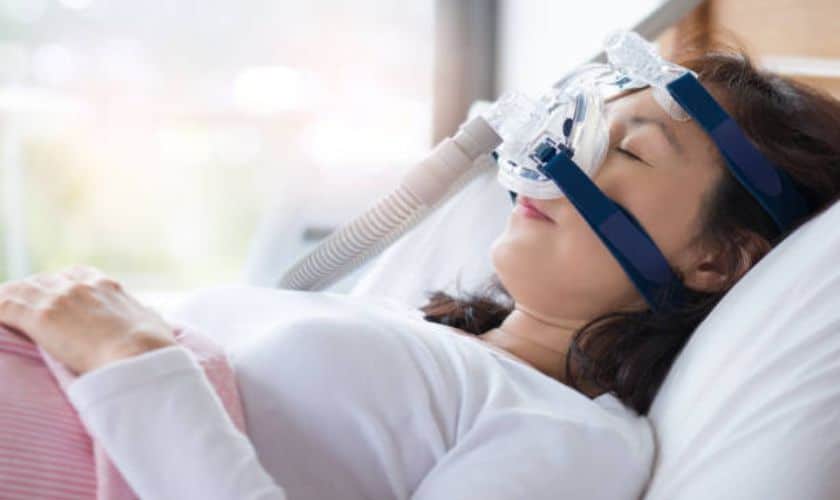
Treatment options for sleep apnea can vary depending on your severity and type of sleep apnea. The most common treatment option is Continuous Positive Airway Pressure (CPAP) therapy, which involves wearing a mask over your nose or both your mouth and nose while sleeping. This device delivers air pressure to help keep your airways open.
For those who find CPAP uncomfortable, other treatments, such as Bi-Level Positive Airway Pressure (BiPAP), provide two pressure levels – one for inhaling and another for exhaling. Various oral appliances reposition the jaw to reduce obstruction in the airway.
Living With Sleep Apnea
Living with sleep apnea can be challenging, but managing the condition and improving your quality of life is possible. One of the most important things you can do is maintain a healthy lifestyle by exercising regularly and eating a balanced diet.
It’sIt’s also crucial to follow any treatment plan your doctor prescribes, which may include using a continuous positive airway pressure (CPAP) machine or an oral appliance. These devices help keep your airways open during sleep, reducing the frequency and severity of apnea episodes.
Summary
To sum up, sleep apnea is a serious medical condition affecting millions of people worldwide. It can be caused by various factors such as obesity, alcohol consumption, and smoking. While snoring is one of the most common sleep apnea symptoms, it is not always present.
If you suspect you might have sleep apnea or know someone who does, seek medical attention immediately. A proper diagnosis and treatment plan can improve your quality of life significantly.
Living with sleep apnea may seem challenging initially, but with the right mindset and support system, leading a healthy and happy life is possible. Don’t let this condition control your life – take charge today!