
Why Teeth Become Crooked: Causes, Risk Factors, and Prevention
You may not notice your teeth shifting right away. For many people, it starts with small changes. Floss begins catching between the lower front teeth. A retainer suddenly feels tight. One tooth starts overlapping another in the photos. Over time, those subtle changes become easier to see and harder to ignore.
In many cases, crooked teeth develop gradually due to genetics, jaw structure, tooth loss, grinding, or everyday habits that place pressure on the teeth over time. Some people develop alignment problems during childhood, while others notice shifting years after braces or orthodontic treatment.
At Brentwood Dental Group, our orthodontic specialist, Dr. Seth Wasson, who is certified in Invisalign®, often helps patients from Brentwood and the neighboring areas in Missouri understand why their smile has changed and what can be done to protect long-term alignment. Many patients are surprised to learn that shifting teeth can also affect oral hygiene, jaw comfort, and bite stability. If your teeth no longer feel aligned the way they once did, scheduling an evaluation early can help prevent more complex problems later.
What Causes Teeth to Become Crooked Over Time?
There is rarely just one explanation. Most alignment issues happen because several factors gradually work together.
Some of the most common crooked teeth causes include:
- Genetics and inherited jaw shape
- Early loss of baby teeth
- Missing permanent teeth
- Teeth grinding and clenching
- Thumb sucking during childhood
- Mouth breathing
- Gum disease
- Jaw injuries
- Aging-related tooth movement
Even patients who had braces years ago can experience shifting later in life.
Why Do Teeth Shift More as Adults Get Older?
Many adults assume their teeth should stay in the same position forever after orthodontic treatment. In reality, teeth continue responding to pressure and changes inside the mouth throughout life.
One of the most common concerns involves crowded bottom teeth. The lower front teeth naturally sit in a smaller area, which means even slight movement can create visible overlapping. Patients often first notice it while brushing, flossing, or looking at recent photos.
Grinding during sleep can also place repeated force on teeth. Over time, that pressure may contribute to movement, uneven wear, and bite changes.
Can Genetics Cause Crooked Teeth?
Yes. Genetics plays a major role in tooth alignment and jaw development.
Some people inherit:
- Smaller jaws with larger teeth
- Narrow dental arches
- Bite irregularities
- Extra teeth
- Missing teeth
When there is not enough room for teeth to erupt properly, crowding becomes more likely. However, genetics alone usually does not tell the full story. Oral habits and long-term dental health also influence alignment.
Childhood Habits That Can Affect Tooth Alignment
Several early habits can influence how the jaws and teeth develop.
Thumb Sucking and Pacifier Use
Thumb sucking beyond the toddler years may push the upper front teeth outward and affect jaw growth. Prolonged pacifier use can create similar changes.
Mouth Breathing
Children who primarily breathe through their mouths sometimes develop narrower upper jaws and bite problems. In some cases, mouth breathing is connected to allergies or airway concerns that should also be evaluated.
Tongue Pressure
The tongue naturally applies pressure inside the mouth. Certain swallowing patterns or tongue thrusting habits may gradually move teeth out of position over time.
Parents in Brentwood often ask whether these habits automatically mean braces later. Not always. But identifying concerns early gives dentists more opportunities to guide healthy development.
How Missing Teeth Affect Alignment
Teeth depend on neighboring support to remain stable.
When a tooth is missing for months or years:
- Nearby teeth begin drifting
- Opposing teeth may shift downward or upward
- Bite pressure becomes uneven
- Spacing problems worsen gradually
This movement can make chewing less comfortable and create areas that trap food more easily.
Replacing missing teeth earlier often helps preserve alignment and reduce future complications.
Does Gum Disease Cause Teeth to Move?
Yes. Gum disease affects more than the gums themselves.
As periodontal disease progresses:
- Bone support weakens
- Teeth may loosen slightly
- Spaces can begin forming
- Bite changes become more noticeable
Some patients think their teeth suddenly became crooked, when the real issue is underlying bone loss caused by inflammation.
That is why evaluations for shifting teeth should always include a gum health assessment.
Can Wisdom Teeth Cause Crowding?
Wisdom teeth are commonly blamed for alignment changes, especially in young adults.
While wisdom teeth alone may not fully cause crowding, they can contribute to pressure in mouths that already have limited space. Patients who naturally have tighter arches may notice worsening overlap as wisdom teeth develop.
Routine monitoring helps determine whether removal may benefit long-term oral health and bite stability.
How Do You Know If Your Teeth Are Becoming Crooked?
Tooth movement usually happens slowly, which makes it easy to overlook initially.
Common warning signs include:
- Teeth overlapping more than before
- Floss shredding between teeth
- Retainers feeling tighter
- New gaps developing
- Bite discomfort
- Jaw soreness
- Uneven tooth wear
- Difficulty cleaning between teeth
Even subtle changes deserve attention because alignment issues rarely improve without treatment.
What Is the Most Effective Way to Fix Crooked Teeth?
The ideal treatment depends on what caused the movement and how severe the problem has become. Some patients develop mild crowding over time, while others experience more noticeable bite changes that affect comfort and oral hygiene.
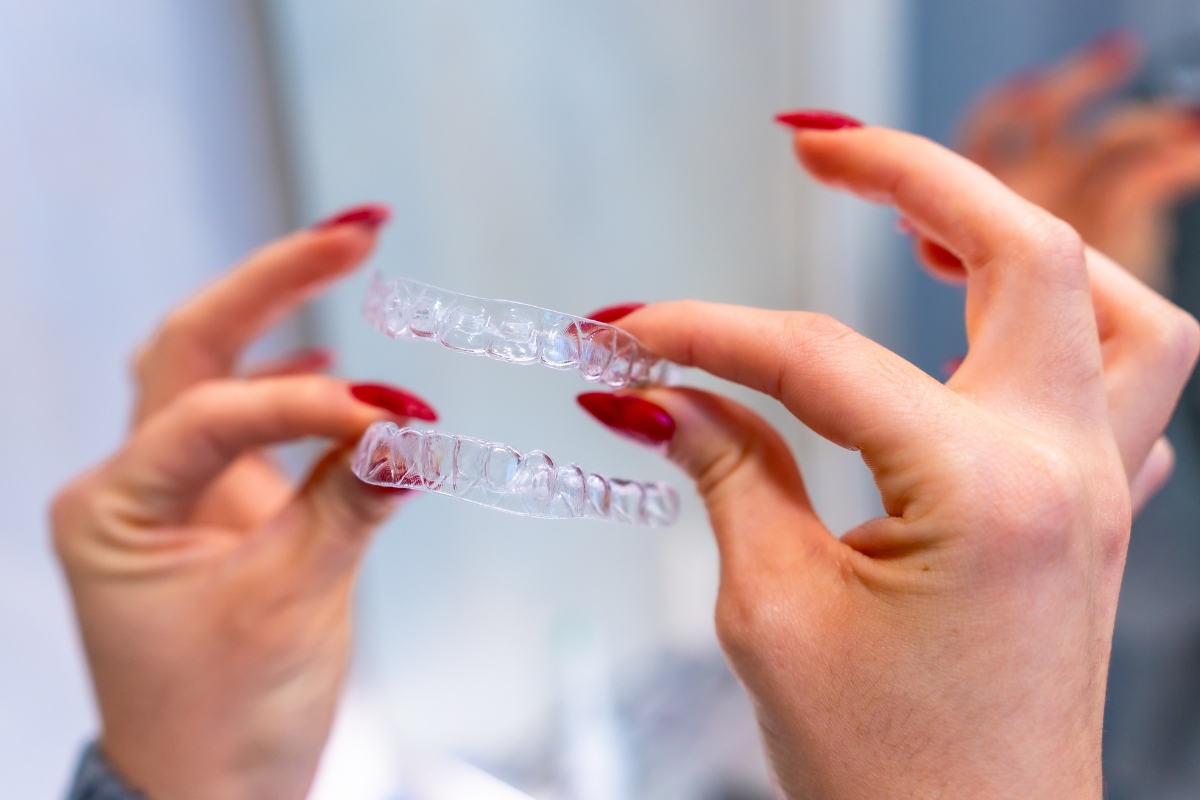
For many teens and adults, Invisalign® has become one of the most comfortable and convenient ways to improve alignment. These clear aligners are removable, easier to clean around, and far less noticeable during everyday conversations and social interactions.
Patients also appreciate that Invisalign® treatment typically allows fewer dietary restrictions compared to traditional braces. Since the aligners are custom-designed for gradual tooth movement, many people find the process easier to manage within their daily routines.
What to Expect During Your Visit
Many patients delay treatment because they assume every alignment issue requires extensive orthodontic care. In reality, some concerns are mild and easier to manage when identified early.
During your appointment, we typically:
- Review your symptoms and concerns
- Examine tooth positioning and bite alignment
- Evaluate gum and bone support
- Check for signs of grinding or clenching
- Take digital images or scans if necessary
- Discuss treatment recommendations clearly
Patients exploring Invisalign® often appreciate seeing digital simulations that help explain how teeth may move during treatment. Our goal is to help you understand both the cause of the shifting and the available options for improving stability.
Some patients may also benefit from exploring our preventive dental care and cosmetic treatment options, depending on the condition of their smile.
How to Help Prevent Crooked Teeth
Not every alignment issue can be prevented completely, but healthy habits can reduce the likelihood of severe shifting.
Maintain Regular Dental Visits
Routine evaluations help identify small alignment changes before they worsen. Many patients do not notice gradual tooth movement until crowding becomes visibly obvious. Regular dental visits also allow early monitoring of bite pressure, gum health, and wear patterns that may contribute to shifting.
Replace Missing Teeth Promptly
Restoring missing teeth helps maintain spacing and bite balance. When gaps remain untreated for long periods, nearby teeth often begin leaning or drifting into the open area. This movement can eventually affect chewing comfort, alignment, and overall smile symmetry.
Wear Retainers Consistently
Patients who stop wearing retainers often notice gradual relapse over time. Teeth naturally respond to pressure changes and may slowly move back toward their previous positions. Consistent retainer use helps preserve orthodontic results and maintain long-term alignment stability.
Address Teeth Grinding Early
Night grinding creates repeated pressure that may contribute to shifting and tooth wear. Many people grind their teeth during sleep without realizing it until symptoms like jaw soreness or headaches appear. Early treatment can help reduce unnecessary pressure on the teeth and supporting structures.
Protect Gum Health
Healthy gums and bone provide essential support for tooth stability. When gum inflammation and bone loss develop, teeth may loosen slightly and begin changing position. Maintaining healthy gums through professional cleanings and good oral hygiene habits plays an important role in preventing alignment problems.
Preventive care often plays a major role in preserving long-term smile alignment.
Why Early Attention Matters
Alignment concerns are not only cosmetic. Teeth that shift significantly may become harder to clean properly, increasing the risk of plaque buildup, gum inflammation, and uneven wear.
Many patients wait until crowding becomes obvious before seeking care. However, earlier evaluation often creates simpler treatment options and helps prevent more advanced complications later.
Understanding what causes crooked teeth can help patients make informed decisions before small changes become larger oral health concerns.
Protecting Your Smile Starts With Early Action
Changes in tooth alignment can happen slowly, but they rarely happen without a reason. Whether shifting developed from grinding, missing teeth, gum disease, genetics, or jaw development, identifying the underlying cause is essential for protecting long-term oral health.
At Brentwood Dental Group, Dr. Seth Wasson and our team provide personalized evaluations designed to help patients understand their smile changes and explore treatment options that fit their needs comfortably. If you have noticed shifting teeth, crowding, or bite changes, now is the right time to schedule a consultation and take the next step toward a healthier, more stable smile.
FAQs
Why are my teeth becoming crooked as an adult?
Teeth continue shifting throughout life due to pressure changes, grinding, bone loss, aging, and missing teeth. Even patients who previously had braces may notice movement later.
Can crowded bottom teeth get worse over time?
Yes. Lower front teeth commonly become more crowded with age because the area naturally has limited space and experiences daily bite pressure.
Does grinding teeth cause alignment problems?
Yes. Repeated grinding and clenching place force on teeth and supporting structures, which may gradually contribute to movement and uneven wear.
Can gum disease make teeth shift?
Yes. Gum disease weakens the bone supporting the teeth, allowing movement, spacing changes, and bite instability to develop over time.
Is Invisalign® effective for crooked teeth in adults?
Invisalign® can effectively treat many mild to moderate alignment concerns in adults while offering a more discreet orthodontic option than braces.
Why do teeth shift after braces?
Teeth naturally try to return toward their previous positions over time. Without consistent retainer use, gradual movement can occur even years after treatment.
When should children have their bite evaluated?
Most children benefit from an orthodontic evaluation around age seven to identify jaw growth and spacing concerns early.