
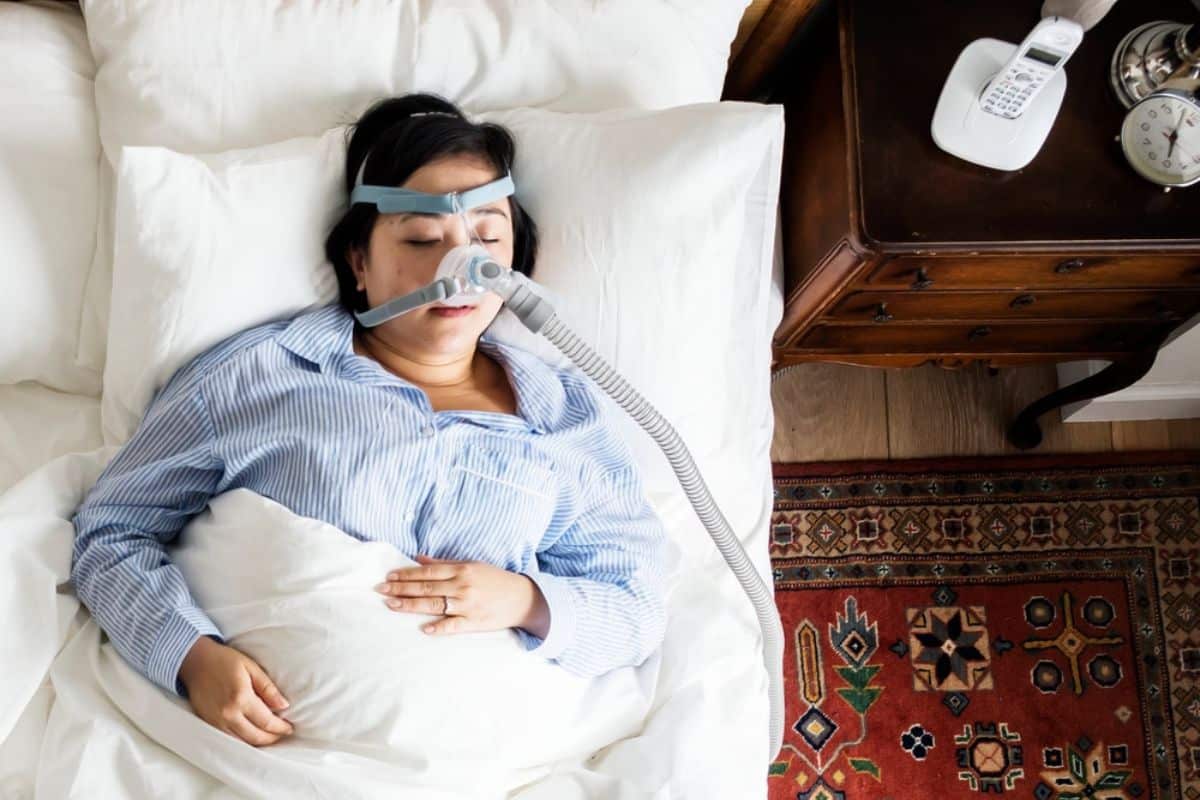
How Your Dentist Can Help Treat Sleep Apnea without A CPAP?
Are you tossing and turning, feeling exhausted even after a full night’s sleep? You’re not alone! Millions of Americans struggle with sleep apnea, a condition that can seriously impact their health and quality of life. While CPAP machines are a standard treatment, did you know your dentist might hold the key to a quieter, more restful night without one? Intrigued? Let’s dive into how your dental professional can be a surprising ally in your fight against sleep apnea!
Beyond Cavities: Your Dentist’s Role in Sleep Apnea Treatment
You probably associate your dentist with cleanings and fillings, but their expertise extends far beyond your teeth and gums. Dentists are trained in the anatomy of the oral cavity and upper airway, making them uniquely positioned to identify and treat certain types of sleep apnea, particularly obstructive sleep apnea (OSA).
Obstructive sleep apnea occurs when the muscles in the back of your throat relax during sleep, causing the airway to narrow or even close. This leads to pauses in breathing, which can happen multiple times an hour. According to the American Academy of Sleep Medicine (AASM), OSA affects an estimated 22 million adults in the United States. What’s even more concerning is that many remain undiagnosed.
The Dental Appliance Solution: A CPAP Alternative
For individuals with mild to moderate OSA, or those who find CPAP therapy uncomfortable or difficult to tolerate, dentists can offer a valuable alternative: oral appliance therapy (OAT). These custom-fitted devices, resembling mouthguards, work by gently repositioning the jaw, tongue, or soft palate to keep the airway open during sleep.
Think of it like this: the oral appliance acts as a subtle but effective support system for your airway. By bringing the lower jaw forward, for example, it creates more space behind the tongue, preventing it from collapsing and obstructing airflow.
The Science Behind the Success
Numerous studies have demonstrated the effectiveness of OAT for treating OSA. A systematic review published in the Journal of Clinical Sleep Medicine found that oral appliances significantly reduced the Apnea-Hypopnea Index (AHI), a key measure of sleep apnea severity. The AHI represents the number of apneas (complete cessation of breathing) and hypopneas (episodes of shallow breathing) that occur per hour of sleep. Studies often show a reduction of at least 50% in AHI with the use of a well-fitted oral appliance in appropriate candidates.
Furthermore, OAT has been shown to improve other sleep-related symptoms, such as snoring and daytime sleepiness. A study in the Journal of Dental Sleep Medicine reported that over 90% of patients using oral appliances experienced a reduction in snoring.
Is Oral Appliance Therapy Right for You?
While OAT offers a promising alternative to CPAP, it’s crucial to understand that it’s not a one-size-fits-all solution. Typically, dentists work in collaboration with sleep physicians to determine the most appropriate treatment plan.
Here’s how the process usually works:
- Diagnosis: A sleep physician will conduct a sleep study (polysomnography) to diagnose sleep apnea and assess its severity.
- Referral: If you are a suitable candidate for OAT, your sleep physician may refer you to a qualified dentist in Brentwood specializing in sleep medicine.
- Evaluation and Impression: The dentist will conduct a thorough evaluation of your oral structures and take precise impressions of your teeth.
- Custom Appliance Fabrication: Based on the impressions, a custom-made oral appliance will be fabricated in a dental laboratory.
- Fitting and Adjustment: Once the appliance is ready, you’ll return to the dentist for a fitting. The dentist will ensure the appliance is comfortable and properly positioned, and will provide instructions on its use and care. Follow-up appointments may be necessary for adjustments to optimize its effectiveness.
Taking the First Step Towards Better Sleep
If you suspect you might have sleep apnea or are struggling with CPAP therapy, don’t hesitate to discuss your concerns with your doctor or dentist. Exploring all available treatment options, including oral appliance therapy, can lead you to a more restful and healthier night’s sleep. Your dentist might just be the unexpected partner you need on your journey to breathing easier and living better!