
How Long Do Mouth Ulcers Last? Recovery Time and Care Tips
Mouth ulcers, also known as canker sores or aphthous ulcers, are a common nuisance, causing discomfort and sometimes interfering with eating and speaking. Have you ever experienced the sudden sting of a mouth ulcer and wondered, “Just how long is this going to last?” You’re not alone! Many people experience these painful sores at some point in their lives. While generally harmless, understanding their duration, causes, and proper care can help you manage them effectively and get back to feeling comfortable. This blog post will delve into the typical recovery timeline for mouth ulcers, explore potential contributing factors, and offer practical tips for soothing the pain and promoting healing.
Understanding the Usual Timeline
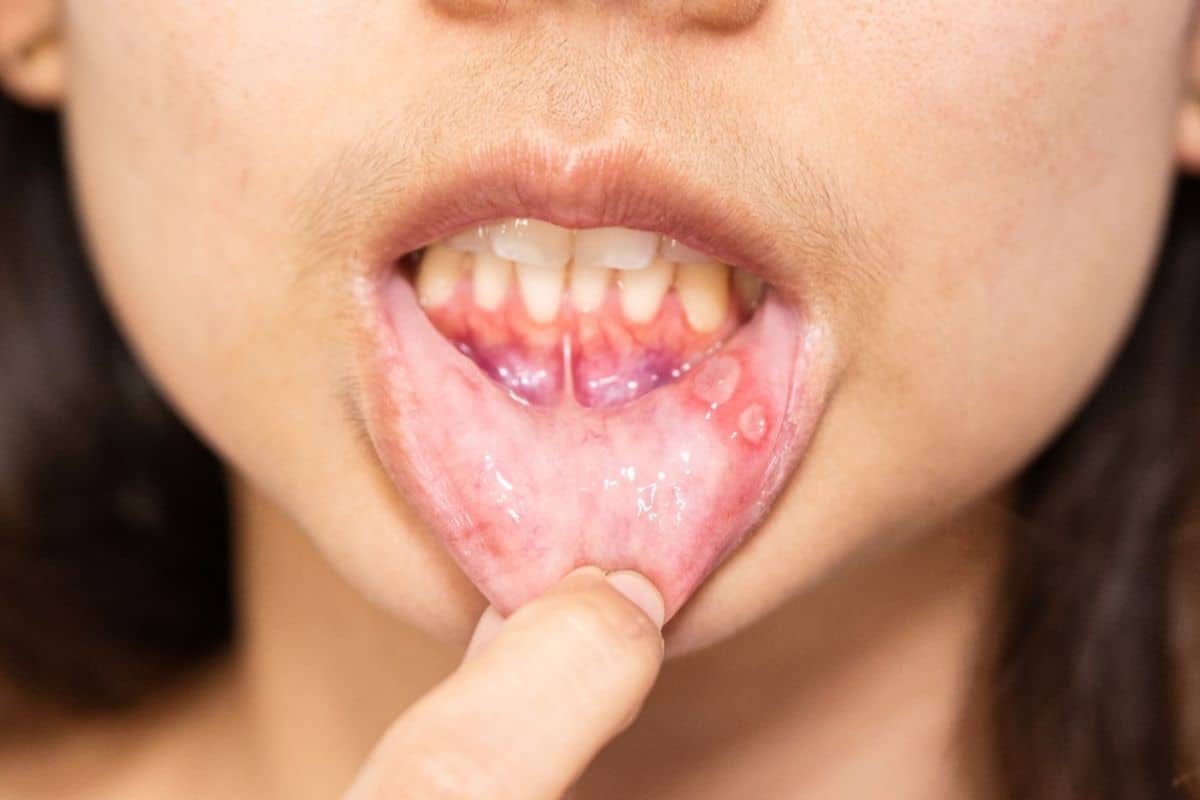
The good news is that most mouth ulcers are self-limiting, meaning they heal on their own without requiring specific medical intervention. According to the National Institute of Dental and Craniofacial Research (NIDCR), the majority of minor aphthous ulcers, the most common type, disappear within 1 to 2 weeks. These ulcers are typically small, less than a centimeter in diameter, and appear as shallow, round, or oval sores with a whitish or yellowish center and a red border.
However, not all mouth ulcers follow the same pattern. There are different types of aphthous ulcers, and their healing times can vary. Major aphthous ulcers, while less common, are larger than minor ulcers (over 1 cm) and can take several weeks, even months, to heal. They are also deeper and can leave scars. Herpetiform ulcers, another less frequent type, are clusters of tiny, pinhead-sized ulcers that can also take 1-2 weeks to resolve.
It’s important to note that these are general timelines. Individual healing times can be influenced by various factors, which we’ll discuss later.
Factors Affecting Healing Time
Several elements can impact how long a mouth ulcer sticks around. While the exact cause of aphthous ulcers is unknown, several triggers are suspected. These include:
- Minor injury to the mouth: Accidental cheek bites, vigorous tooth brushing, or even dental work can sometimes trigger an ulcer.
- Stress: Periods of high stress can weaken the immune system and make you more susceptible to ulcers.
- Certain foods: Acidic foods like citrus fruits, tomatoes, and pineapples, or spicy foods can irritate the mouth lining and contribute to ulcer development or prolong healing.
- Nutritional deficiencies: Lack of certain vitamins and minerals, such as vitamin B12, folate, and iron, has been linked to mouth ulcers.
- Underlying medical conditions: In some cases, recurrent or persistent mouth ulcers can be a symptom of an underlying medical condition, such as celiac disease, inflammatory bowel disease, or Behcet’s disease. This is less common, but it’s important to consult a doctor if you experience frequent or unusually severe ulcers.
- Genetics: Some people may be genetically predisposed to developing mouth ulcers.
Care Tips for Faster Healing and Pain Relief
While you can’t necessarily speed up the healing process dramatically, there are several things you can do to manage the pain and create an environment conducive to healing:
- Maintain good oral hygiene: Continue to brush your teeth gently with a soft-bristled toothbrush, being careful not to irritate the ulcer. Flossing is also important for overall oral health.
- Rinse with salt water: Gargling with warm salt water (1/2 teaspoon of salt in 1 cup of water) several times a day can help cleanse the area and reduce inflammation.
- Avoid trigger foods: Steer clear of acidic, spicy, or hard foods that can irritate the ulcer. Opt for soft, bland foods that are easy to chew.
- Use over-the-counter pain relievers: Acetaminophen or ibuprofen can help manage the pain.
- Consider topical treatments: Over-the-counter topical anesthetics or corticosteroids can provide temporary pain relief. Consult your qualified dentist in Brentwood for recommendations.
- Protect the ulcer: If the ulcer is in a spot that’s frequently rubbed by your teeth or dentures, you can try placing dental wax or a small piece of gauze over it for protection.
When to See a Doctor
While most mouth ulcers resolve on their own, it’s important to see a dentist if you experience any of the following:
- Ulcers that are unusually large, painful, or persistent (lasting longer than three weeks).
- Ulcers that keep recurring.
- Ulcers are accompanied by other symptoms, such as fever, swollen lymph nodes, or weight loss.
- Difficulty eating or swallowing.
A healthcare professional can help determine the cause of your ulcers and recommend appropriate treatment if necessary.
The Bottom Line
Mouth ulcers are a common and usually self-limiting condition. Understanding their typical duration and taking proper care can help you manage the discomfort and promote healing. Remember, if you have concerns about your mouth ulcers, don’t hesitate to seek professional medical advice.