
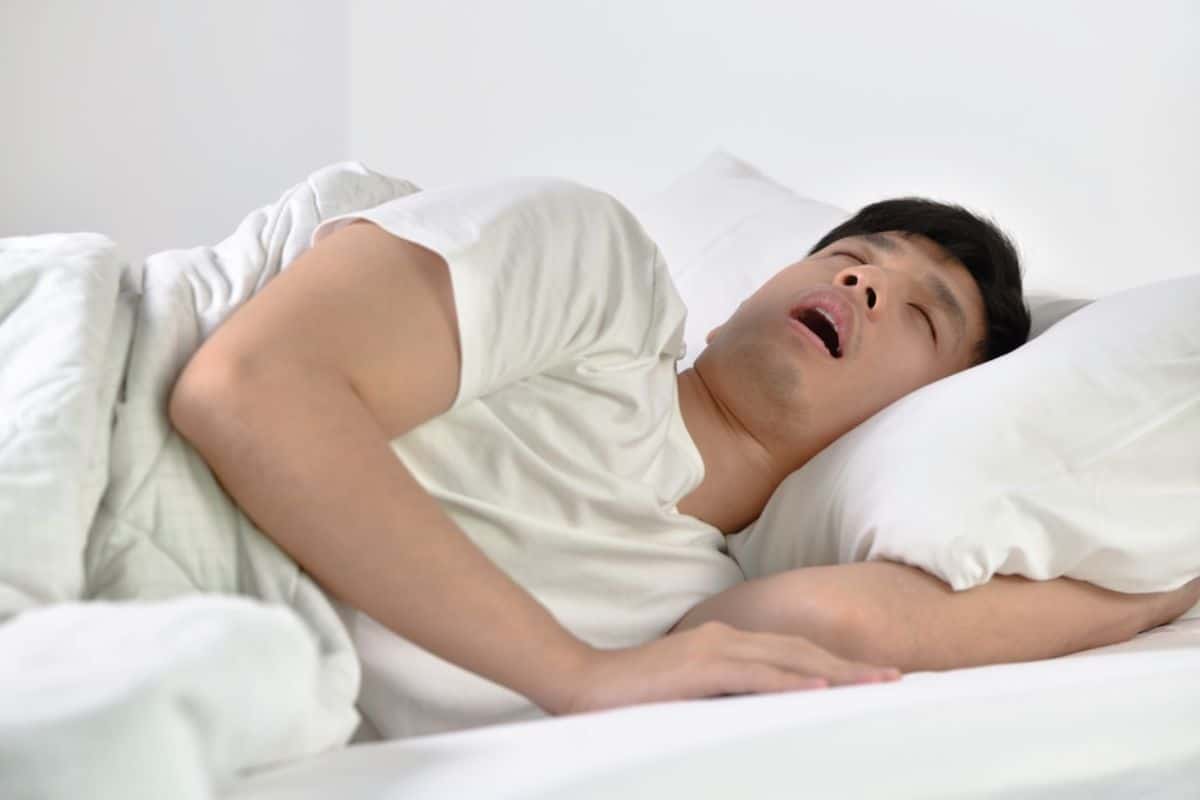
Snoring Without Sleep Apnea? Why You Still Feel Tired and What You Can Do
Blog Summary:
Snoring without a diagnosis of sleep apnea can still affect your sleep and daily life. This blog explains why you may feel tired even without sleep apnea, possible causes like airway resistance, and what steps you can take to improve your sleep. You will also learn when to seek help and how local care options in Brentwood can support better sleep health.
Do you snore at night but have been told you do not have sleep apnea? Yet you still wake up tired, feel sleepy during the day, or struggle to stay focused. This situation is more common than many people think.
In a place like Brentwood, where people balance work, commuting, and family time, poor sleep can quickly affect daily routines. Many people assume that if it is not sleep apnea, it is not serious. But snoring and daytime fatigue can still be signs that your sleep quality is not where it should be.
Understanding what is happening and what you can do about it can help you feel more rested and improve your overall health.
Ready for Better Sleep? Call Today!

Thanks for taking the time to learn more about why snoring can still leave you feeling tired even when sleep apnea has been ruled out. We hope this guide helps you better understand your sleep patterns and feel more confident about taking the next step toward healthier, more restful nights. Small changes and the right care can make a big difference in how you feel each day.
At Brentwood Dental Group, Dr. Seth Wasson, Dr. Blake Cavender, Dr. Brett Bocian, and Dr. Da Fonte are dedicated to helping patients improve their sleep and overall wellness through personalized dental solutions. If you are struggling with snoring or ongoing fatigue, we are here to help you find answers and real relief. Call us today and schedule your visit so you can start sleeping better and feeling more refreshed every morning.
Why You Can Snore Without Sleep Apnea
Snoring happens when air has trouble moving freely through your airway while you sleep. This causes the soft tissues in your throat to vibrate, creating sound.
Sleep apnea is one cause of snoring, but it is not the only one. You can snore without having full airway blockage. In many cases, the airway is only partially restricted, which still affects breathing and sleep quality. Many people assume that if they are not diagnosed or are not suffering from sleep apnea, their snoring is not a concern, but that is not always true.
This means you may not stop breathing completely, but your sleep is still disrupted throughout the night.
There are several reasons why this can happen:
A narrow airway
Some people naturally have a smaller or more narrow airway, which makes airflow limited during sleep and leads to snoring.
Nasal blockage
Allergies, sinus issues, or a cold can block your nose and force you to breathe through your mouth, which increases snoring.
Sleeping position
Sleeping on your back can cause your tongue and soft tissues to fall backward, partially blocking the airway.
Relaxed throat muscles
During sleep, your throat muscles relax. In some people, they relax more than usual, which can narrow the airway and create vibration.
Weight and neck area pressure
Extra weight around the neck can put pressure on the airway, making it harder for air to pass through smoothly.
Alcohol or late-night habits
Drinking alcohol before bed can relax your throat muscles even more, increasing the chances of snoring.
Mouth breathing
People who breathe through their mouth at night are more likely to snore because the airway becomes drier and more prone to vibration.
Understanding these causes helps explain why snoring can still happen even without sleep apnea. Identifying what is affecting your breathing is the first step toward improving your sleep quality.
Feeling Tired Even Without Sleep Apnea
If you wake up feeling tired even after a full night in bed, your sleep may not be deep or restful.
Your body goes through different sleep stages, including deep sleep, which is important for recovery. When your breathing is slightly restricted, your body may keep shifting out of deep sleep without you realizing it.
This leads to feeling tired in the morning, low energy during the day, and sometimes even headaches or trouble concentrating.
As one satisfied patient shared-
I had such a great experience at the dental office and wanted to take a moment to recognize the amazing team there. Dr. DaFonte, was truly outstanding—professional, knowledgeable, and made me feel comfortable throughout the entire procedure.
A special thank you to the hygienist, Kyala, who did a fantastic job. She was gentle, thorough, and took the time to explain everything, which made the appointment so much easier and stress-free.
I’d also like to recognize Maya at the front desk. She was welcoming, kind, and very helpful with check-in and any questions I had. Her friendly attitude really set the tone for the whole visit.
Overall, the entire experience was wonderful. It’s clear that this office cares about their patients and provides excellent service from the front desk to the dental chair. Thank you all for such a positive visit! – Parks
Your confidence matters, see why so many patients trust us by checking our Google reviews.
A Lesser-Known Condition: Upper Airway Resistance
Some people experience something called upper airway resistance. This happens when your airway is narrow enough to make breathing harder, but not fully blocked like in sleep apnea.
Your body works harder to breathe, which can cause small sleep interruptions throughout the night. These interruptions are often too subtle to notice but still affect how rested you feel.
Many people go undiagnosed because standard sleep tests may not always highlight this condition clearly.
Worried that your snoring and constant fatigue might be more than just poor sleep and wondering if it could be related to sleep apnea trends seen in women? Learn more about the signs, risks, and what you can do next in our guide on why more women are being diagnosed with sleep apnea and how to take action.
Common Causes of Snoring Without Sleep Apnea
Several everyday factors can lead to snoring and poor sleep quality.
Nasal congestion from allergies or colds can block airflow. Sleeping on your back can cause the tongue to fall backward, narrowing the airway. Weight gain may also put pressure on the throat area, making breathing more difficult at night.
Lifestyle habits like alcohol use before bed can relax throat muscles, increasing the chances of snoring.
Even stress and irregular sleep schedules can play a role in how well you sleep.
How It Affects Daily Life in Brentwood
Living in Brentwood often means busy mornings, long workdays, and active evenings. When your sleep is not restful, it can affect your mood, focus, and energy levels.
You may find it harder to stay productive at work or enjoy time with family. Over time, poor sleep can also impact your overall well-being.
This is why it is important to address snoring and fatigue, even if sleep apnea has been ruled out.
What You Can Do to Improve Your Sleep
There are simple steps that can help improve your sleep quality.
Changing your sleeping position, especially avoiding sleeping on your back, can reduce snoring. Keeping your nasal passages clear with proper care can also improve airflow.
Maintaining a regular sleep schedule helps your body stay in a healthy rhythm. Limiting alcohol before bedtime and staying active during the day can also make a difference.
In some cases, dental devices designed to keep your airway open may be recommended. These are often simple and comfortable to use.
When to Seek Professional Help
If your snoring is loud, ongoing, or paired with constant fatigue, it is worth discussing with a professional.
Even if you are not diagnosed with sleep apnea, your symptoms should not be ignored. A proper evaluation can help identify the cause and guide you toward the right solution.
Many people begin looking for help when they feel like they might be suffering from sleep apnea, even if they are unsure. This is an important step toward improving sleep health.
A Local Option to Consider
Snoring and feeling tired during the day should not be ignored, even if sleep apnea has not been diagnosed. Your body may still be struggling to get the rest it needs, and over time, this can affect your energy, focus, and overall health.
For individuals in Brentwood dealing with these concerns, Brentwood Dental Group provides care focused on improving sleep and breathing patterns. Our approach includes evaluating how your airway functions during sleep and offering custom oral appliances that help keep the airway open through the night. These devices are designed to be comfortable and easy to use, making them a practical option for many patients who struggle with snoring or signs of sleep apnea.
The goal is not just to reduce snoring, but to help you achieve deeper, more restful sleep. When breathing improves, many patients notice better sleep quality, improved daytime energy, and fewer interruptions during the night.
Taking the time to understand what is affecting your sleep and choosing the right support can help you wake up feeling more refreshed and ready to manage your daily routine with greater ease.
Better and More Restful Nights at Brentwood Dental Group
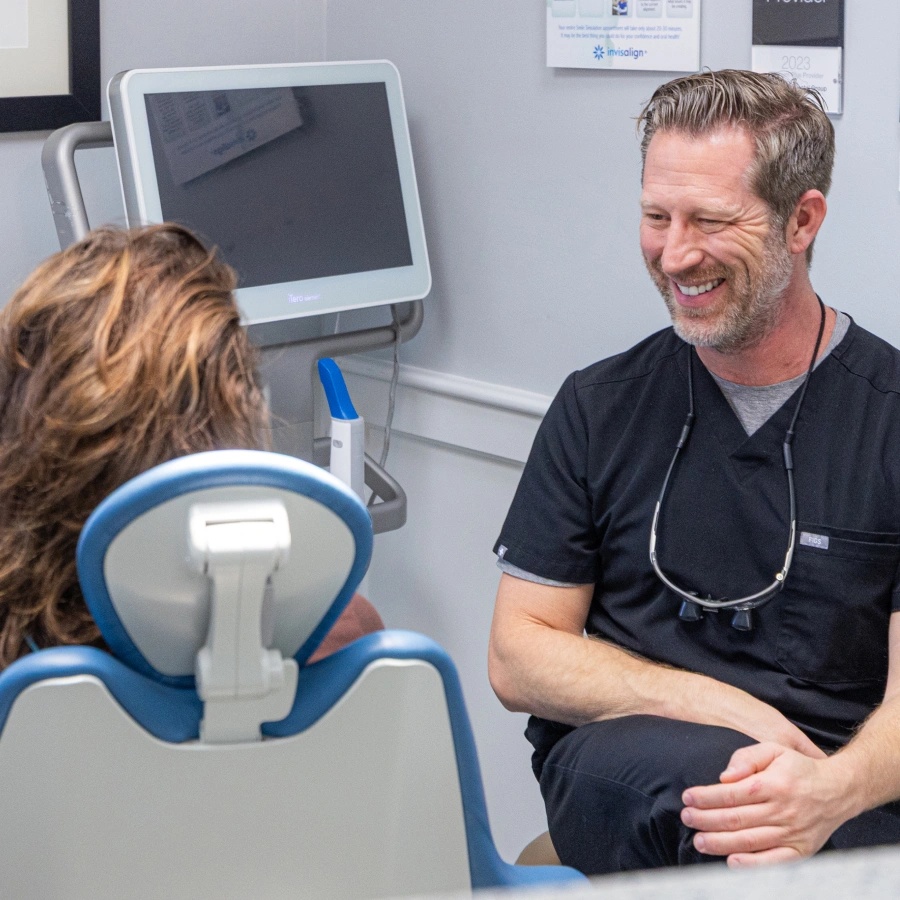
So yes, even if you have not been diagnosed with sleep apnea, snoring and ongoing tiredness can still point to underlying sleep issues that deserve attention. The good news is that with the right evaluation and simple, non invasive solutions like custom oral appliances, many patients experience noticeable improvements in both sleep quality and daytime energy. Better breathing at night can truly lead to a healthier, more refreshed you.
At Brentwood Dental Group, Dr. Seth Wasson, Dr. Blake Cavender, Dr. Brett Bocian, and Dr. Da Fonte welcome new patients who are ready to take control of their sleep health. If you are struggling with snoring or feeling tired even after a full night’s rest, we are here to help you find answers and lasting relief. Call us today and schedule your appointment to start sleeping better and feeling more energized every day.
FAQs
Why do I snore if I do not have sleep apnea?
Snoring can happen due to partial airway blockage, nasal congestion, or sleeping position, even without full sleep apnea.
How can I stop snoring naturally?
Try changing your sleep position, keeping your nose clear, and maintaining a regular sleep schedule.
What is upper airway resistance?
It is a condition where your airway is narrowed, making breathing harder without fully blocking it.
When should I see a doctor for snoring?
If snoring is loud, frequent, or causing daytime tiredness, it is a good idea to seek evaluation.
Can a dentist help with snoring issues?
Yes, dentists can provide oral appliances that help keep your airway open during sleep.