
What is the newest treatment for sleep apnea?
Sleep apnea, a disorder characterized by repeated interruptions in breathing during sleep, affects millions of people worldwide. Traditionally, treatments for sleep apnea have included lifestyle changes, continuous positive airway pressure (CPAP) therapy, and surgical interventions. However, recent advancements in medical technology have introduced innovative treatments that offer new hope for those struggling with this condition. One of the newest and most promising treatments for sleep apnea is hypoglossal nerve stimulation (HNS).
Understanding Sleep Apnea
Before diving into the sleep apnea newest treatment, it’s essential to understand the basics of sleep apnea. There are two primary types:
- Obstructive Sleep Apnea (OSA): The more common form, OSA, occurs when the muscles in the throat relax excessively during sleep, causing a temporary blockage of the airway.
- Central Sleep Apnea (CSA): This type occurs when the brain fails to send proper signals to the muscles that control breathing.
Both types result in fragmented sleep and can lead to various health issues, including cardiovascular problems, daytime fatigue, and decreased cognitive function.
Traditional Treatments
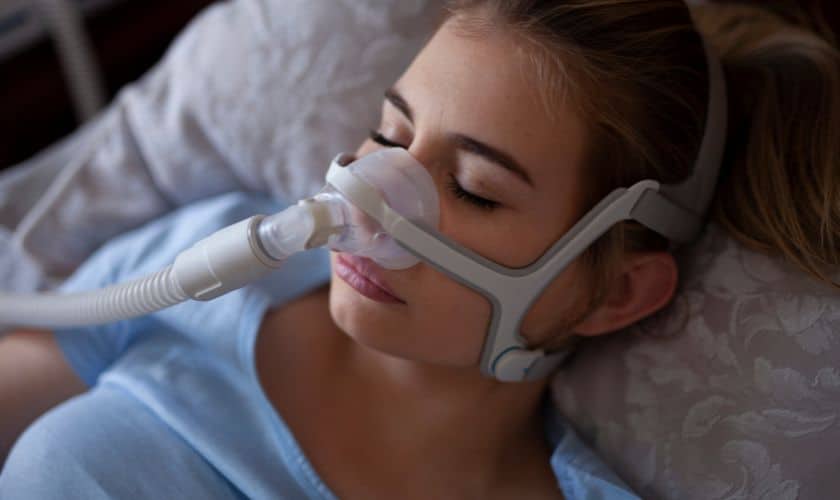
The most common treatment for sleep apnea, especially OSA, has been the use of a CPAP machine. CPAP delivers a constant stream of air through a mask, keeping the airway open during sleep. While effective, many patients find CPAP machines cumbersome and uncomfortable, leading to poor compliance rates.
Surgical options like uvulopalatopharyngoplasty (UPPP) and lifestyle changes, including weight loss and avoiding alcohol, have also been employed with varying degrees of success.
The Newest Treatment: Hypoglossal Nerve Stimulation
Hypoglossal nerve stimulation (HNS) represents a significant breakthrough in the treatment of obstructive sleep apnea. The hypoglossal nerve controls the muscles of the tongue, and by stimulating this nerve, it is possible to prevent the tongue from collapsing and obstructing the airway during sleep.
How Does HNS Work?
- Implantation: The HNS system involves a small device implanted under the skin in the chest. A sensor is placed in the chest to monitor breathing patterns.
- Stimulation: The device is connected to the hypoglossal nerve. When the sensor detects that the patient is inhaling, it sends a mild electrical pulse to the hypoglossal nerve, which moves the tongue forward and keeps the airway open.
- Control: The device is operated using a remote control, allowing patients to turn it on before they go to sleep and off when they wake up.
Benefits of HNS
- Comfort and Convenience: Unlike CPAP machines, HNS does not involve masks or hoses, making it a more comfortable option for many patients.
- Improved Compliance: Studies have shown that patients are more likely to consistently use HNS compared to CPAP.
- Effective Treatment: Clinical trials have demonstrated that HNS significantly reduces the severity of sleep apnea and improves the quality of life for patients.
Who is a Candidate for HNS?
HNS is typically recommended for patients with moderate to severe obstructive sleep apnea who cannot tolerate CPAP therapy. However, not all patients are suitable candidates. The ideal candidates are those who:
- Have a body mass index (BMI) below 35.
- Do not have complete concentric collapse at the soft palate level.
- Have undergone a thorough evaluation, including a sleep study and a drug-induced sleep endoscopy.
Conclusion
The introduction of hypoglossal nerve stimulation marks a new era in the treatment of sleep apnea. By addressing the root cause of airway obstruction without the discomfort associated with traditional treatments, HNS offers a promising alternative for those seeking relief from the debilitating effects of sleep apnea. As research continues and technology advances, it is likely that even more innovative solutions will emerge, bringing renewed hope to patients worldwide.