
How Painful Is Orthodontic Treatment? A Brentwood Patient’s Guide
Many people delay straightening their teeth because they worry about pain. One of the most common questions dental professionals hear is: Does orthodontic treatment hurt? The answer is that most patients experience mild to moderate discomfort rather than significant pain.
At Brentwood Dental Group, we often reassure patients from Brentwood and nearby communities, including Clayton, Richmond Heights, Webster Groves, and Maplewood, that modern braces and clear aligners are designed with comfort in mind. Advances in dental technology have also helped reduce unnecessary irritation and make orthodontic treatment more manageable than ever.
This guide explains what causes soreness, how long it lasts, and what you can do to stay comfortable throughout your smile journey. You’ll also learn when discomfort is normal and when it’s worth contacting your dental provider.
Does Orthodontic Treatment Hurt?
Most patients experience temporary soreness, pressure, or sensitivity rather than severe pain. The discomfort typically appears after adjustments or aligner changes and improves within a few days.
Orthodontic appliances work by applying gentle, controlled pressure to move teeth into healthier positions. That pressure creates changes within the surrounding bone and tissues. As a result, mild orthodontic discomfort is a normal part of the process.
Most patients describe the sensation as tenderness when biting or chewing rather than sharp pain. The intensity varies based on the treatment type, age, and individual sensitivity.
What Does Getting Braces for the First Time Feel Like?
Patients getting braces for the first time often notice two distinct sensations.
First, there is pressure on the teeth as movement begins. Second, the cheeks and lips may need time to adjust to the brackets and wires.
The First Few Days
The initial soreness usually begins within several hours after placement and peaks during the first two to three days. Soft foods, cold beverages, and over-the-counter pain relievers approved by your Brentwood orthodontist often help manage symptoms.
Soft Tissue Irritation
Brackets may rub against the inside of the cheeks at first. Orthodontic wax provides an effective barrier while tissues adapt. Most patients find this irritation improves quickly.
Why Does Pain After Braces Adjustment Occur?
Adjustments reactivate tooth movement. The pressure placed on teeth can create temporary sensitivity for a few days.
Many patients feel comfortable between visits but notice increased tenderness after tightening appointments. This temporary pain after braces adjustment is expected because the teeth begin responding to new forces.
The discomfort often lasts between 24 and 72 hours. Eating softer foods during this period can make meals more comfortable.
Patients at Brentwood Dental Group often appreciate knowing that short-term soreness usually signals that tooth movement is progressing as planned.
What About Invisalign Discomfort?
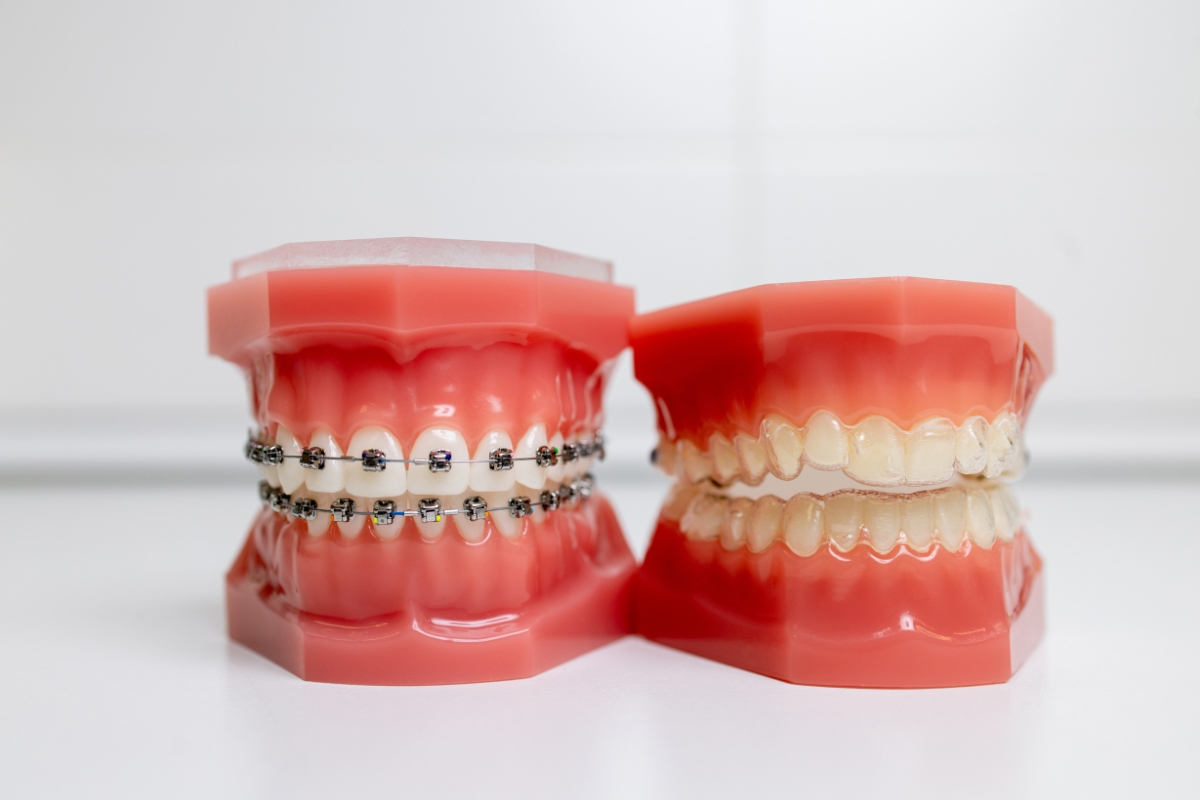
Clear aligners are popular because they eliminate brackets and wires. However, they are not completely sensation-free.
Each new aligner tray applies pressure to guide tooth movement. Some patients experience mild Invisalign discomfort for the first day or two after switching trays.
Compared with traditional braces, many people report less irritation to the cheeks and gums. However, pressure-related tenderness can still occur.
As Dr. Wasson often explains to patients, feeling some pressure means the aligners are actively working to move teeth into their intended positions.
Common Orthodontic Treatment Side Effects
Understanding normal experiences can help reduce anxiety during care.
Braces Soreness
Temporary braces soreness commonly occurs after placement and adjustments. It generally improves within a few days.
Sore Teeth From Braces
Many patients notice sensitivity when biting into firm foods. This feeling usually fades as the teeth adapt.
Mild Gum Sensitivity
Some people experience minor gum tenderness, especially if oral hygiene habits need improvement. Proper brushing and flossing help minimize irritation.
Most orthodontic treatment side effects are temporary and manageable. Severe pain is uncommon and should be evaluated by a dental professional.
How Can You Reduce Orthodontic Treatment Pain?
Several simple strategies can help improve comfort throughout care.
Choose Soft Foods
Mashed potatoes, yogurt, soups, smoothies, scrambled eggs, and pasta place less pressure on sensitive teeth.
Use Orthodontic Wax
Wax protects cheeks and lips from bracket irritation.
Maintain Excellent Oral Hygiene
Proper orthodontic care during treatment helps prevent inflammation that can worsen discomfort.
Follow Professional Instructions
Wearing aligners as directed and attending scheduled visits helps keep treatment progressing efficiently.
These habits can significantly reduce pain during orthodontic treatment while supporting healthy tooth movement.
How Long Does Orthodontic Treatment Recovery Take?
Recovery from placement or adjustments is usually brief. Most soreness improves within several days.
The phrase “orthodontic treatment recovery” generally refers to the period during which teeth and surrounding tissues adapt to new pressure. Unlike surgical recovery, this process is typically mild.
Most patients return to work, school, sports, and normal daily activities immediately after appointments. Any tenderness usually decreases steadily over the next few days.
For patients who maintain regular appointments and follow home-care recommendations, the adjustment process often becomes easier over time.
When Should You Contact Your Dentist?
While discomfort is normal, certain situations deserve professional attention.
Contact your provider if you experience:
- Severe or worsening pain
- Broken brackets or wires
- Significant swelling
- Persistent mouth sores
- Difficulty chewing that does not improve
Prompt evaluation helps prevent minor concerns from becoming larger issues. Practices that provide comprehensive dental services can often address orthodontic concerns alongside preventive and restorative care when needed.
Final Thoughts
If you’ve been asking yourself, Does orthodontic treatment hurt in the long run, the answer is usually no. Most patients experience temporary pressure and mild soreness rather than significant pain. Modern techniques, personalized care, and proper home habits make the process far more comfortable than many people expect.
A professional evaluation can provide clear answers based on your specific needs. If you’re considering braces or clear aligners, the team at Brentwood Dental Group can help you understand your options, discuss comfort expectations, and create a treatment plan that supports your oral health goals. Dr. Wasson and the team are committed to helping patients make informed decisions with confidence.
Frequently Asked Questions
Do braces hurt more than clear aligners?
Both options can create pressure as teeth move. Braces may cause additional irritation from brackets and wires, while aligners typically create pressure when a new tray is inserted. Individual experiences vary, but most patients describe both treatments as manageable and temporary.
How long does soreness last after getting braces?
Most patients experience the greatest tenderness during the first two to three days. Symptoms generally improve significantly within a week. Future adjustment appointments may cause mild soreness, but it is often less noticeable than the initial experience.
Can I eat normally during treatment?
Yes, although some food choices may need to be modified. Soft foods are often more comfortable during periods of sensitivity. Hard, sticky, or chewy foods may damage braces and should be avoided if your dentist recommends restrictions.
Is it normal for teeth to feel loose during treatment?
Slight mobility can occur as teeth move into new positions. This sensation is typically expected and temporary. If movement seems excessive or concerning, contact your dental provider for an evaluation and personalized guidance.
What is the best way to manage discomfort at home?
Cold drinks, soft foods, orthodontic wax, and approved pain-relief methods often provide relief. Consistent oral hygiene also helps minimize irritation. If soreness becomes severe or lasts longer than expected, schedule an appointment for a professional assessment.